Résumer un livre ne nécessite plus des heures de lecture ni de prise de notes. Grâce aux outils modernes, résumé de livres par IA Grâce à cet agent, vous pouvez extraire les idées principales, les arguments et les cadres de référence de longs ouvrages en quelques minutes seulement.
Que vous soyez un étudiant, chercheur, créateur de contenu, ou professionnel des affairesLa synthèse assistée par l'IA vous aide à apprendre plus vite et à prendre de meilleures décisions sans sacrifier la précision.
Ce guide explique Comment résumer efficacement un livre avec iWeaver ?et comment choisir l'outil adapté aux contenus longs, en fonction du flux de travail décrit dans Comment résumer un livre en quelques minutes
Résumé rapide : Comment utiliser l'IA pour la synthèse de livres
Si vous êtes pressé par le temps, voici la méthode la plus rapide pour résumer n'importe quel livre en utilisant iWeaver:
- Télécharger: Glissez-déposez votre livre (PDF, EPUB ou TXT) dans iWeaver.
- Analyser: Utilisez l'analyse approfondie basée sur l'IA pour identifier les thèmes et chapitres clés.
- Rapide: Utilisez des invites spécifiques comme « Résumez les 5 principaux enseignements pratiques de chaque chapitre. »
- Exporter: Convertissez votre résumé en carte mentale ou synchronisez-le avec Notion/Obsidian.
Étape 1 : Préparer le contenu du livre pour le résumé par IA
Avant d'utiliser une IA résumé de livreIl vous suffit de rassembler votre livre tel quel, sans prétraitement complexe.
Formats pris en charge
- Livres PDF (y compris les PDF numérisés)
- Livres électroniques (EPUB, TXT)
- Texte brut ou notes personnelles
- Chapitres individuels ou livres complets
Grâce à la capacité avancée d'iWeaver à comprendre les images en texte et à analyser les documents, même les pages numérisées, les PDF basés sur des images et les fichiers à mise en page mixte peuvent être extraits et résumés avec précision.
pratiques recommandées
- Téléchargez directement des livres entiers ou des chapitres — iWeaver gère les deux
- Conservez autant que possible les titres et la structure d'origine.
- Pour les ouvrages extrêmement longs, les résumés par chapitre peuvent fournir des informations plus détaillées.
Avec iWeaver, Une entrée propre n'est pas une condition préalable—Le système est conçu pour comprendre, extraire et résumer avec précision le contenu, même à partir de documents complexes ou riches en images.
Étape 2 : Choisir le bon outil de résumé de livres par IA
Tous les outils d'IA ne sont pas conçus pour les livres. Les chatbots généralistes ont souvent du mal avec les documents longs, la mémorisation du contexte et la production de résultats structurés.
Si vous voulez comprendre Comment un agent de résumé de livres dédié se compare-t-il aux outils d'IA génériques ?, afin de mieux comprendre en quoi les outils conçus spécifiquement pour un usage particulier diffèrent des modèles d'IA généraux, vérifier Comparaison entre iWeaver et ChatGPT pour la synthèse de livres.
Lors de la sélection d'un résumé de livres par IA, recherchez :
- Prise en charge des documents longs et des fichiers PDF
- Capacité à générer des résumés structurés
- Longueur de résumé réglable
- Gestion fiable des contenus non fictionnels et académiques
Étape 3 : Générer le résumé
Une fois le contenu téléchargé, vous pouvez personnaliser la façon dont le résumé est généré :
- Sélectionnez le format du résumé, tel que:
- Bref aperçu – un aperçu général des idées centrales du livre
- Résumé du chapitre – une structure détaillée, chapitre par chapitre
- Résumé du concept profond – une analyse approfondie des cadres, arguments et concepts clés
- Choisissez la tonalité souhaitée, selon votre cas d'utilisation :
- Neutre et factuel (étude et recherche)
- Clair et concis (apprentissage rapide)
- Analytique et explicatif (compréhension approfondie)
- Définissez la longueur de résumé souhaitée
- Exécuter le résumé
- Examiner le résultat initial
Conseils de pro : Les meilleures suggestions d’IA pour des résumés de livres plus efficaces
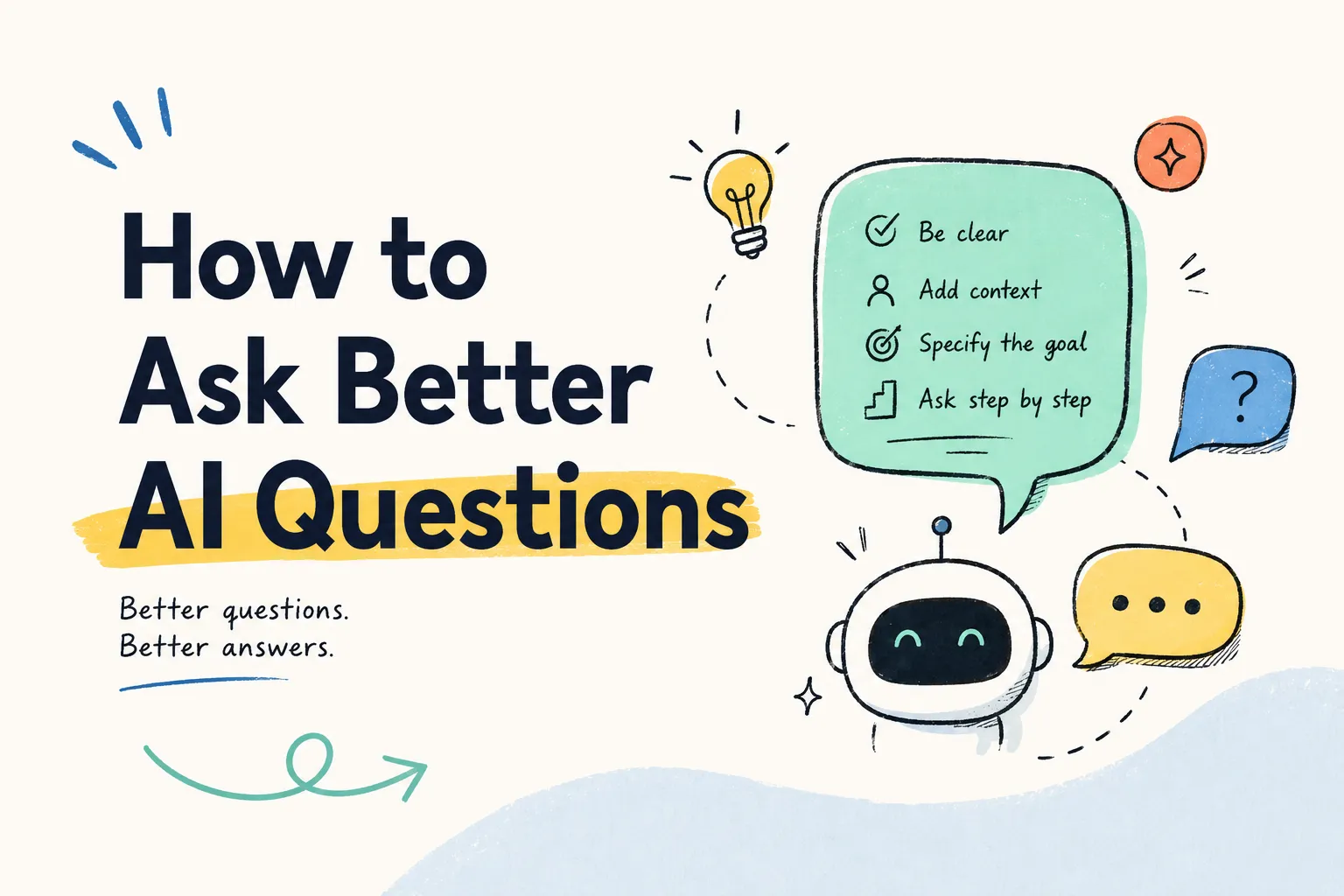
Pour tirer le meilleur parti d'iWeaver, essayez ces suggestions de niveau expert :
- Pour les ouvrages non romanesques : « Extrayez les éléments clés de ce livre et fournissez une liste à puces d'étapes concrètes pour chaque chapitre. »
- Pour les ouvrages universitaires : « Identifiez la méthodologie de recherche principale, les arguments clés et les éventuels biais mentionnés par l’auteur. »
- Pour un apprentissage rapide : « Expliquez le concept principal de ce livre comme si j'avais 10 ans, en vous concentrant sur le « pourquoi » et le « comment ». »
Étape 4 : Examiner, affiner et exporter le résumé de l’IA
Les résumés générés par l'IA doivent être traités comme des première ébauche de haute qualité, et non le livrable final.
Avant de finaliser, vous devriez :
- Vérifier que les arguments, les cadres et les conclusions clés soient fidèlement enregistrés
- Affiner la formulation Pour plus de clarté, pour insister ou pour choisir le ton approprié
- Ajouter des passages importants ou des notes personnelles pour refléter votre propre compréhension ou vos objectifs d'apprentissage
Une fois examiné, le résumé peut être exporté dans plusieurs formats pour s'adapter à différents flux de travail, notamment :
- Carte mentale – idéal pour la visualisation de concepts et la révision rapide
- DOC / PDF – convient pour les rapports, les présentations ou le partage
- Réduction – Idéal pour les bases de connaissances, Notion, Obsidian ou la documentation pour développeurs
Cette intervention humaine garantit que le résultat final reflète fidèlement l'intention de l'auteur, tandis que les formats d'exportation flexibles rendent le résumé immédiatement utilisable dans divers contextes d'études, de recherche et professionnels.
Quand les outils de résumé de livres par IA excellent dans tous les types de livres
iWeaver AI résumé de livre sont conçus pour manipuler un large éventail de genres littéraires et de styles d'écriturece qui les rend efficaces pour pratiquement tous les types de livres.
| Fonctionnalité | IA standard (ChatGPT) | iWeaver AI |
| Limite de jetons | Difficultés avec plus de 300 pages | Prend en charge les fichiers PDF/ebooks volumineux |
| Structure | Texte linéaire uniquement | Cartes mentales et notes structurées |
| Référence | Hallucinations possibles | Citations directes des sources |
| Flux de travail | Discussion générique | chaîne de valeur dédiée du livre à la connaissance |
Ils sont exceptionnellement performants pour :
- Livres documentaires et d'affaires, en capturant les idées clés, les cadres de référence et les points d'action
- Documents académiques, techniques et de recherche, en résumant des concepts complexes avec clarté
- Manuels scolaires et ouvrages de référence, extraire efficacement des connaissances structurées
- Œuvres littéraires et écriture narrative, en identifiant les thèmes, les personnages et les arcs narratifs
- Poésie et textes symboliques ou expérimentaux, mettant en lumière les motifs centraux et les perspectives interprétatives
Grâce à une compréhension avancée des documents et à un raisonnement contextuel, les outils de résumé par IA comme iWeaver adaptent leur approche en fonction de la structure et de l'intention du livre.
Pour apprentissage, recherche, exploration créative et extraction des connaissancesLes outils de résumé de livres basés sur l'IA offrent une valeur constante, quel que soit le type de livre.
La méthode intelligente pour résumer des livres en 2026
L'utilisation de l'IA pour résumer des livres est aujourd'hui l'une des méthodes les plus rapides pour assimiler des connaissances. Bien utilisée, elle permet de gagner du temps, d'améliorer la mémorisation et de se concentrer sur l'essentiel.
Des outils dédiés comme iWeaver Résumé de livre AI offrir une solution pratique et fiable pour résumer efficacement les contenus longs, notamment pour les étudiants, les professionnels et les apprenants tout au long de la vie.
Foire aux questions (FAQ)
Quelle est la meilleure IA pour résumer les longs livres ?
iWeaver est spécialement conçu pour les contenus longs. Contrairement aux logiciels de traitement de texte classiques qui ont des limites quant à la fenêtre contextuelle, iWeaver peut traiter des livres entiers tout en conservant une grande précision et en fournissant les citations des sources.
L'IA peut-elle résumer un livre PDF chapitre par chapitre ?
Oui. Grâce à l'outil d'analyse structurée d'iWeaver, vous pouvez demander à l'IA de découper le résumé en chapitres spécifiques, garantissant ainsi qu'aucun détail important ne soit omis lors de la transition entre les sections.
L'utilisation de l'IA pour résumer des livres est-elle considérée comme de la triche ?
Pas du tout. La synthèse par IA est un outil de productivité pour la « lecture syntopique ». Elle vous aide à filtrer les informations et à décider quelles parties d'un livre méritent une attention approfondie et ciblée.