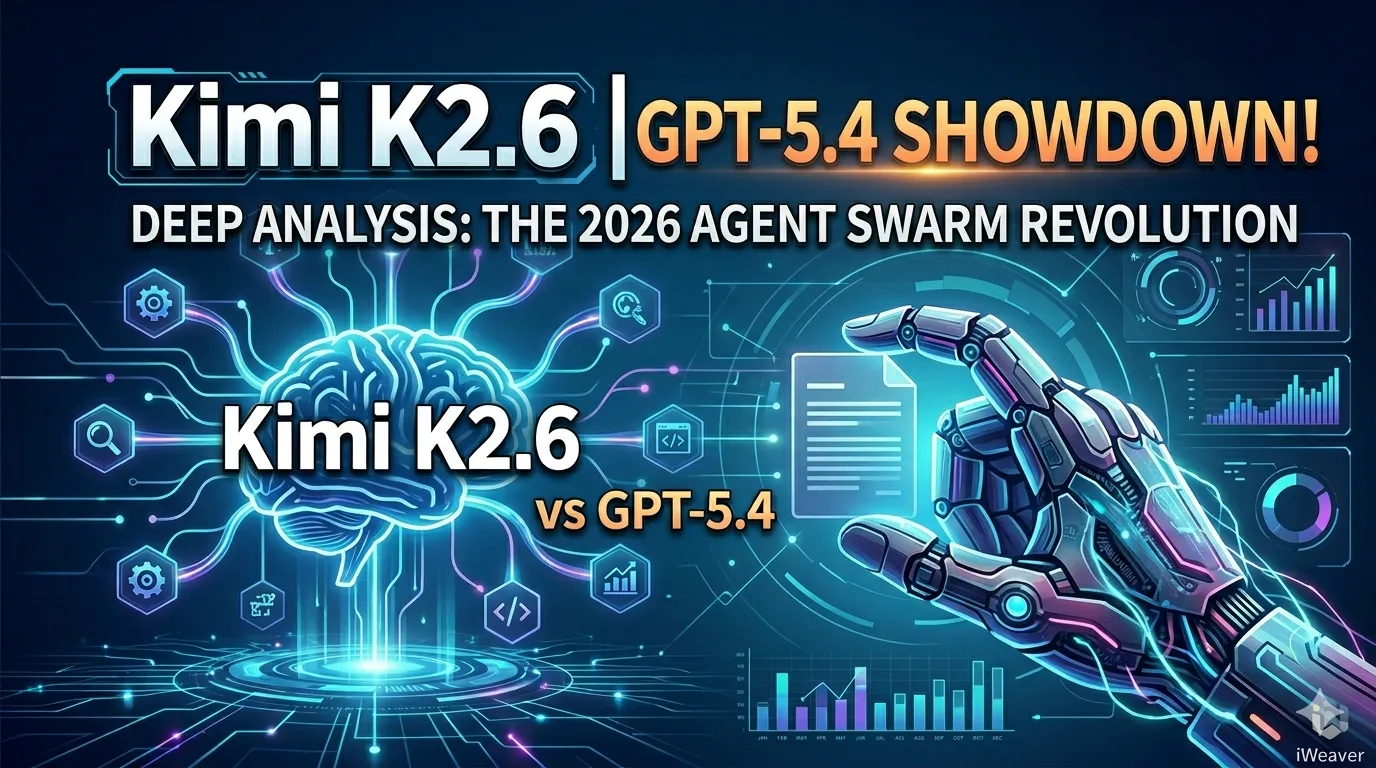
La corsa agli armamenti dell'IA ha appena cambiato marcia. Mentre la Silicon Valley era ossessionata dal conteggio dei parametri, Moonshot AI ha abbandonato silenziosamente Kimi K2.6, spostando l'attenzione verso Agente Sciami e affidabilità a lungo termine.
Se ultimamente avete avvertito un calo di intelligenza nei chatbot standard, K2.6 è la soluzione che fa per voi. Non si tratta solo di un modello più intelligente; è un coordinatore in grado di gestire oltre 300 agenti contemporaneamente senza il minimo sforzo.
Cos'è Kimi K2.6 e perché lo sciame di agenti è importante?
Kimi K2.6 rappresenta un allontanamento dall'approccio "a cervello unico" dei modelli di apprendimento basati su un unico sistema. Invece di un singolo modello che cerca di risolvere tutto, K2.6 agisce come un coordinatore adattivo. Suddivide compiti complessi, come la migrazione di un database legacy o la conduzione di ricerche di mercato globali, in centinaia di sotto-compiti.
Punto chiave: K2.6 non è solo un chatbot; è un sistema operativo per agenti. È in grado di gestire oltre 4.000 passaggi di ragionamento in una singola sessione senza perdere il contesto.
Confronto dei benchmark di K2.6: SWE-Bench Pro e DeepSearchQA
Nei recenti test “L’ultimo esame dell’umanità” (ragionamento a livello di dottorato), K2.6 ha superato Claude Opus 4.6 e ha ottenuto risultati paragonabili a quelli di GPT-5.4Tuttavia, dove brilla veramente è SWE-Bench Pro, misurando l'ingegneria del software nel mondo reale.
| Metrico | Kimi K2.6 | GPT-5.4 | Claude Opus 4.6 |
| Concorrenza degli agenti | Oltre 300 agenti | Limitato | Limitato |
| Passaggi del ragionamento | 4,000+ | ~1,200 | ~1,500 |
| Finestra di contesto | 262 KB (cache) | 1 milione+ | 200 mila |
Come Kimi K2.6 gestisce le attività di programmazione a lungo termine
Per gli sviluppatori, la "memoria a breve termine" dell'IA dell'era 2024 è un ricordo del passato. K2.6 mantiene prestazioni elevate anche durante sessioni di programmazione di 12 ore. Non si limita a suggerire frammenti di codice; analizza il proprio codice, esegue test e itera fino a quando la funzionalità non funziona correttamente.
Questa scalabilità orizzontale significa che è possibile fornire a K2.6 una specifica tecnica di 50 pagine, e il sistema distribuirà un gruppo di agenti per scrivere simultaneamente il frontend, il backend e la documentazione.
Dalla potenza pura ai flussi di lavoro pronti all'uso: il fattore iWeaver
Mentre Kimi K2.6 fornisce la potenza bruta dello "Sciame di Agenti", molti professionisti non hanno il tempo di scrivere prompt complessi. È qui che entra in gioco iWeaver colma il divario.
In qualità di potente agente AI progettato per ottenere informazioni sul posto di lavoro, iWeaver Elimina la fatica da ingegneria dei prompt. Gestisce l'intero flusso di lavoro d'ufficio, dall'analisi di documenti PDF/immagini disordinati alla fornitura di dati strutturati, senza richiedere alcun intervento da parte dello sviluppatore.
Consiglio da professionista: Utilizzare Kimi K2.6 per progetti enormi e a lungo termine, ma implementare iWeaver Per i flussi di lavoro quotidiani in ufficio, dove è necessario ottenere risultati strutturati (in formato documento/PDF) direttamente da input di dati complessi.
FAQ: Tutto quello che devi sapere su Kimi K2.6
Kimi K2.6 è migliore di GPT-5.4?
Dipende dal compito. Per il coordinamento massivo di più agenti (Agent Swarm) e la codifica di lunga durata, K2.6 attualmente offre un vantaggio strutturale in termini di efficienza e concorrenza.
Quanti agenti può eseguire Kimi K2.6?
K2.6 supporta nativamente fino a 300 agenti simultanei, consentendo l'esecuzione in parallelo di attività di ricerca o sviluppo che richiederebbero settimane agli esseri umani.
Kimi K2.6 supporta input multimodali?
Sì. È dotato di funzionalità di ragionamento visivo potenziate da strumenti, che lo rendono ideale per l'elaborazione di diagrammi tecnici complessi e documenti multipagina.
Posso utilizzare Kimi K2.6 per ricerche di mercato?
Assolutamente. Le sue funzionalità "DeepSearchQA" gli consentono di raccogliere, sintetizzare e verificare informazioni provenienti da tutto il web, riducendo significativamente le allucinazioni.
Come posso semplificare i flussi di lavoro di Kimi K2.6?
Se hai bisogno della potenza degli agenti IA senza la complessità della progettazione dei prompt, strumenti come iWeaver Offre un'interfaccia "senza richiesta di input" per le attività d'ufficio, fornendo risultati strutturati all'istante.