
Artificial intelligence is rapidly transforming how travelers search for flights. Instead of manually comparing dozens of airline websites, AI-powered tools can analyze massive amounts of airfare data, predict price trends, and recommend the best time to book.
Modern platforms such as Google Flights, Skyscanner, and AI assistants powered by large language models can process billions of pricing signals and travel patterns. These tools help travelers identify cheaper routes, flexible travel dates, and hidden flight deals that would be difficult to find manually.
In recent years, generative AI has further improved travel search by allowing users to describe trips in natural language. Travelers can now ask for flights based on budget, season, or travel preferences, and AI tools automatically generate matching flight options and price insights.
As airfare pricing becomes more dynamic, using AI for flight search has become one of the most effective ways to find cheap airfare and plan trips efficiently.
Key Takeaways
- AI in travel is changing how we search for and book flights.
- Artificial intelligence gives personalized tips and finds cheap flights.
- Smart AI algorithms make booking flights easy and keep you updated.
- Skyscanner’s Savvy Search offers over 18 million flight routes.
- Using AI can lead to big savings on flights compared to old ways.
Introduction to AI for Flight Search
The application of AI technology in flight search has revolutionized the way we plan our trips. By leveraging vast databases and sophisticated algorithms, it offers personalized advice, making the search for flights more convenient. For instance, the International Air Transport Association predicts a doubling of air travel in the next 20 years. Airlines and organizations like EASA are investing heavily in AI research to enhance safety, cybersecurity, and operational efficiency. Alaska Airlines’ six-month pilot program with AI reduced flight times by an average of five minutes, saving approximately 480 thousand gallons of jet fuel, demonstrating AI’s significant impact on the aviation sector.

How AI is Changing the Way We Book Flights
AI has changed how we look for and book flights. It gives us personalized tips, real-time updates, and predictions based on data. This makes planning trips easier and more efficient.
Personalized Recommendations
ChatGPT and sites like Booking.com and Kayak use AI to give travel tips that fit what you like. They know your budget, where you want to go, and who you’re traveling with. With years of AI use, Booking Holdings gives you travel tips that really match what you want.

Real-Time Updates
Getting updates in real-time is key when you’re traveling. Tools from Expedia and Trip.com use AI to track flights and send you updates right away. At places like Seattle-Tacoma International, AI makes traveling better by giving you timely info and making airport operations smoother. This reduces stress and keeps you informed.
Data-Driven Predictions
Predictive analytics are changing how airlines and travelers book flights. Hopper’s app, which has sold over $600 million in flights, shows how well predictive analytics work. By looking at past trends, tools like Kayak can predict airfare and hotel prices. This helps travelers make smart choices to get the best deals.
Generative AI Is Changing Flight Search
Generative AI is reshaping the way travelers discover flight deals. Instead of using traditional filters such as dates, destinations, and price ranges, travelers can now describe their travel goals in natural language.
For example, users can ask AI tools questions such as:
- “Find a cheap beach destination from Los Angeles in March.”
- “Show me the cheapest flights to Europe this summer under $700.”
- “Suggest destinations with warm weather and affordable flights.”
AI systems analyze flight databases, historical price trends, and travel demand to generate personalized suggestions.
Google has begun integrating generative AI features directly into its travel ecosystem. New AI-powered search experiences can generate trip ideas, suggest flight deals, and organize travel plans within a single interface. These systems can combine flight options, hotels, and maps into a dynamic travel planning workspace. :contentReference[oaicite:0]{index=0}
This shift toward conversational travel search makes it easier for travelers to explore new destinations and discover affordable flights without manually comparing dozens of websites.
Benefits of Using AI for Flight Search
AI not only expedites the flight search process but also offers several other advantages. It can swiftly analyze vast amounts of data, enabling quicker and more accurate decision-making. Airlines like Icelandair have significantly reduced advertising and booking costs through AI implementation, potentially resulting in cost savings for passengers. Additionally, AI helps optimize flight routes and fuel consumption, contributing to environmental sustainability.
Automation of tasks is another benefit. Virgin Atlantic uses AI to anticipate and resolve issues before they occur, ensuring a seamless flying experience. Moreover, AI-driven personalized services enhance the overall journey by providing customized travel tips. Lufthansa and American Airlines have witnessed substantial improvements in flight punctuality and forecasting accuracy with the help of AI.
Top AI Tools for Finding Cheap Flights
AI has changed how we look for flights. Now, with advanced tools, finding cheap travel options is easier. We’ll look at the best AI tools changing travel.
1. Skyscanner’s Savvy Search
Skyscanner’s Savvy Search stands out as a leading tool. It employs intelligent algorithms to scan over 18 million flight routes and 80 billion prices daily. This enables users to compare prices effectively. For example, it once found a round-trip ticket for $664.83, which was $97 cheaper than Google Flights.
2. Google’s Gemini
Google Gemini is a top-notch AI tool for travel. Integrated with Google Flights, Google Hotels, and Google Maps, it offers comprehensive trip planning. It has identified a round-trip ticket on United Airlines for $615, which was $49 less than Skyscanner and $146 lower than Google Flights.
3. Chatbots for Instant Flight Search
AI chatbots are also changing flight searches. They give quick answers and fast results. These chatbots are perfect for finding cheap flights quickly.
4. Hopper AI Price Prediction
Hopper is one of the most widely used AI-powered travel apps for predicting flight prices. The platform analyzes billions of historical flight prices to forecast whether airfare is likely to rise or fall.
Instead of booking immediately, Hopper can recommend waiting for a better price or booking right away to secure the lowest fare. The app also sends automated price alerts so travelers can monitor deals in real time.
This predictive pricing model helps travelers decide the best time to buy tickets, making it easier to avoid overpaying for flights.
Others AI for flight search
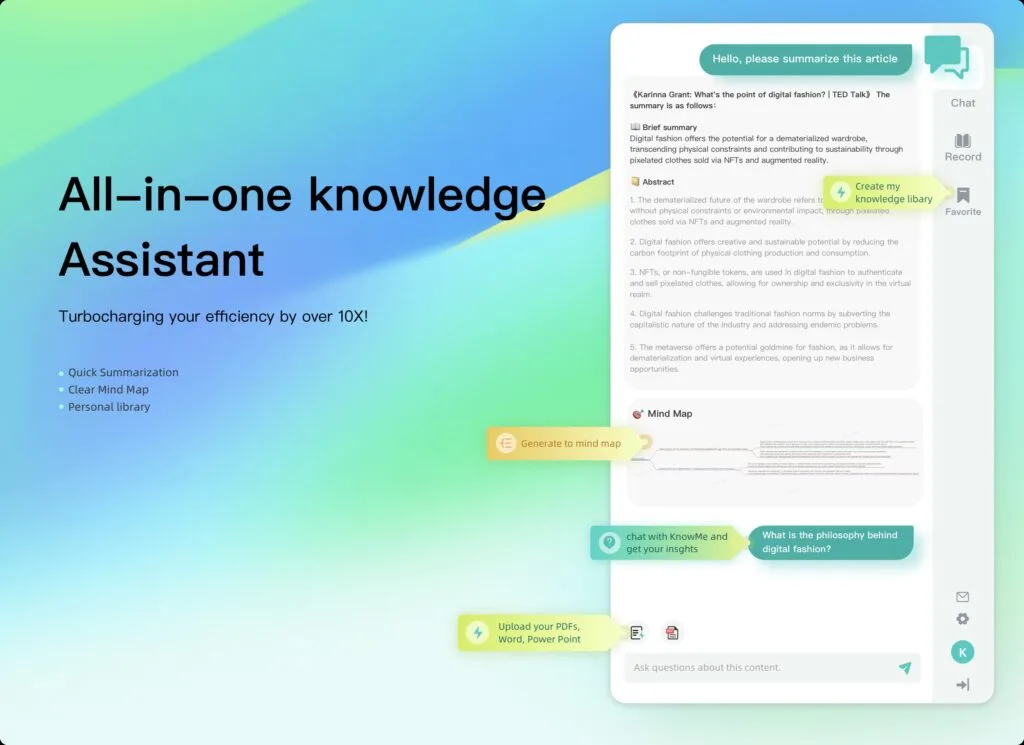
For direct flight searches, dedicated travel search engines or apps like Google Flights, Expedia, or Skyscanner are commonly used. However, tools like iWeaver AI can complement these by efficiently organizing and managing the information gathered during the search and booking process. Unlike online searches, iWeaver AI ensures privacy and avoids information leakage and annoying advertisements.
| AI Tool | Key Function | Best For |
|---|---|---|
| Google Flights | AI price insights and fare comparison | Fast flight comparison |
| Skyscanner | Flexible date and route search | Finding cheap global flights |
| Hopper | AI airfare prediction | Deciding when to book |
| ChatGPT / AI assistants | Natural language travel search | Flexible travel planning |
| iWeaver AI | Organizing and summarizing flight options | Managing travel research and identifying affordable flights |
How to Use Skyscanner’s Savvy Search for Best Deals
Skyscanner’s Savvy Search makes finding the best airfare deals easy. It covers everything from setting up an account to booking your flight securely. Let’s go through the steps together!
1. Creating an Account
To unlock the full potential of Skyscanner’s Savvy Search, start by creating an account. This allows access to over 80 billion daily price searches powered by OpenAI’s ChatGPT, facilitating real-time trip planning and updates.
2. Inputting Flight Parameters
After setting up the account, input your flight details, including the destination, travel dates, and any specific preferences. For instance, flights from Mumbai to Goa start at INR 4,948, while those to Norway begin at INR 50,680.
3. Booking with Confidence
Complete your booking on Skyscanner for a secure transaction. With its extensive database of over 18 million flight routes, you can be assured of getting the best deals. It then directs you to reliable sites for the final booking.
Experience with Google’s Gemini
Google Gemini is increasingly integrated into Google’s travel ecosystem and helps users explore flight options using conversational queries. Instead of manually adjusting multiple filters, travelers can ask questions about destinations, budgets, or travel dates.
Gemini can analyze flight prices, travel duration, airline options, and layover times to generate recommendations quickly. In combination with Google Flights, it allows users to compare different routes and identify the most affordable travel dates.
Google has also introduced AI-powered travel discovery features that suggest destinations and affordable flight deals based on natural language prompts. These tools allow travelers to explore flexible travel options and identify budget-friendly trips more easily. :contentReference[oaicite:1]{index=1}
User Interface and Ease of Use
Google Gemini features a user-friendly interface, making it accessible even for beginners. The Gemini Ultra, part of the Google One AI Premium Plan, offers enhanced features and remembers past user choices, simplifying the booking process for flights and hotels.
Finding the Cheapest Flights
This platform excels at identifying cheap flights. Its smart algorithms quickly display the best deals. In a matter of seconds, it evaluates flights to present the most cost-effective options, as evidenced by user satisfaction.
Comparing Flight Options
Gemini is great at comparing flights by price, time, and more. This helps you make quick, smart choices. It can answer complex travel questions, making it a top choice for travel planning AI.
With features for both past and current travel questions, Google Gemini makes booking easy and informed.
How to Use iWeaver AI for Best Flight Deals
iWeaver AI, a personal AI tool, can streamline the process and provide a more efficient, private way to search for the best flight deals. Here’s how iWeaver AI can help you find cheap flights while avoiding information leakage and annoying advertisements.
1. Search for Flights on Trusted Websites
Begin your search for flights on reputable travel websites like Booking.com, Skyscanner, or Google Flights. Input your travel details, such as departure and arrival cities, dates, and any other preferences.
2. Upload Flight Information to iWeaver
Upload the captured flight details into iWeaver AI. You can also paste links from trusted sites directly into iWeaver. This way, all your flight options are stored in one secure place without having to keep multiple tabs open.
3. Organize and Summarize Flight Options
iWeaver AI can automatically organize the uploaded information by trip, date, or any other category you choose. Use iWeaver’s summarization feature to extract the key points from the flight details, such as the cheapest flights, best travel times, and preferred airlines.
4. Compare and Decide
With the summarized information, you can easily compare the different flight options side by side. iWeaver AI allows you to recall specific details quickly, helping you make an informed decision on the best flight deal.
Once you’ve decided on the best flight option, use the saved links to return to the respective travel websites and complete your booking.
Advantages of Offline AI Tool like iWeaver AI
Unlike online searches with AI for flight search, where your data can be tracked and used for targeted ads, using iWeaver AI ensures that your travel search information remains private. There is no risk of information leakage, and your personal data is secure.
Avoid Annoying Advertisements
Online flight searches often result in a flood of advertisements and promotional emails. By using iWeaver AI, you can avoid these annoying ad pushes and focus on finding the best flight deals without distractions.
These AI tools can organize all your travel-related information in one place, making it easy to access and manage. You can compare flight options quickly and efficiently without the hassle of switching between multiple tabs or websites.
iWeaver’s summarization feature helps you quickly grasp the key points from your flight searches, saving you time and effort. This personalized approach ensures that you only see the information that matters most to you.
Flexibility in Travel Planning with AI Flight Search
AI for flight search tools have changed how we plan trips. They let you change your travel plans easily, whether it’s last-minute or for new routes. This flexibility was not possible before.
Travelers who are flexible with their plans can save money and have a better trip. Being too set in your plans can limit your choices and make things more expensive. This is because prices change based on demand and other factors.
AI helps with all kinds of travel budgets, from budget to luxury. It looks at things like how many seats are left, prices, and airline rules. This is great for getting the most out of points and miles for trips.
Tools like Google Flights Explore and airfare alerts help find the best deals. Airlines often charge more or have fewer seats when lots of people want to travel. Being open to different places and dates can lead to finding great deals.
Generative AI tools are becoming more popular for planning trips. They suggest new places to go and better prices. They also help find the best times to travel. The AI travel market is growing fast, showing how important flexible planning is.
Using AI in travel planning can lead to more affordable and exciting trips. It helps you find options that fit your budget and preferences. This makes dealing with the challenges of modern travel easier.
Tips for Maximizing AI Tools to Find the Best Airfare
Using AI for flight search can change the game in finding the best airfare. Start by learning about the latest AI tools. For example, ITA Matrix can find cheaper flights by being flexible with travel dates and cities. You must book through airline websites, though.
Google Flights shows flight prices to different places visually. This helps you see the best deals easily.
Understanding AI recommendations can also help a lot. Bing Chat and Bard give insights into flight research but might not have the latest info. Mixing their tips with strong engines like ITA Matrix can lead to big savings. For instance, ITA Matrix saved $530 on a round-trip flight.
Regularly checking AI-generated price alerts can also help. This way, you can catch price drops quickly.
Travel hacks often mean using several AI tools. Expedia’s AI trip planner gives budget tips for restaurants and activities, saving $131. WayAway can also cut down accommodation costs, saving $250 over 10 nights.
Switching between these tools helps you save more. AI helped save $131 of the total $911 saved.
Using AI for flight search in everyday tasks can also be beneficial. Chatbots and voice assistants like Siri help with flight searches. Bard is great at finding the cheapest flights and tracking price drops. Adding these tools to your travel planning can make your search smarter and more thorough.
Use natural-language prompts when searching with AI tools. Instead of entering rigid filters, try describing your travel goals. For example:
- “Find the cheapest flights from New York to Europe in May.”
- “Show destinations I can fly to under $500.”
- “What are the cheapest months to fly to Japan?”
AI-powered search tools can analyze flexible travel patterns and identify cheaper routes or dates that traditional search filters may miss.
Common Challenges and How AI Overcomes Them
Travel challenges can be tough for those who fly often. Things like self-transfers, third-party bookings, and dealing with many booking sites can be hard. But, AI is changing the game, making these problems easier to handle.
Handling Self-Transfers and Layovers
Layovers can be a big challenge, especially when you’re making your own travel plans. AI tools like FlyFi help by giving you up-to-date flight info. They make it easier to get through layovers by offering real-time updates.
AI also helps with seat selection and currency exchange, making things simpler. Plus, it uses past data and weather forecasts to predict flight delays. This helps reduce the stress of layovers.
Third-Party Booking Issues
Booking flights through other companies can also cause problems. AI solutions fix these issues by combining different booking sites into one. This makes booking smoother.
AI-powered virtual assistants can understand what you say and give you advice. They help keep your travel plans on track, even with third-party bookings.
Case Study: Finding Cheap Flights from Honolulu to New York
We’ll look at how AI tools can help you find cheap flights from Honolulu to New York. Using Skyscanner and Google Gemini, we’ll dive into fare analysis to find travel savings.
Using Skyscanner AI for Flight Search
Skyscanner makes finding budget-friendly flights easy. Just enter your travel details and be open with your dates to find deals. Sometimes, booking two one-way tickets can be cheaper than a round trip.
Also, searching for flights from leisure destinations on Skyscanner might lead to better prices. These tips can help you save a lot on your trip from Honolulu to New York.
Using Google Gemini
Google Gemini is great for finding cheap flights. It lets you compare nonstop flights from specific airports. Being flexible with your travel dates can help you find the cheapest days to fly.
Google Gemini also has a map and calendar tool to help you pick your preferred airlines and cabin classes. A pro travel photographer flies about 150,000 miles a year and uses Google Flights for its solid fare analysis and savings.

Skyscanner and Google Gemini both offer strong tools for finding affordable flights. By combining Skyscanner’s flexible dates with Google Gemini’s detailed fare analysis, you can find the best deals from Honolulu to New York.
Using AI tools like Skyscanner and Google Gemini can help you save money and plan a budget-friendly trip. Being flexible with your travel dates and exploring different routes can also lead to great deals.
Future of AI for Flight Search And Travel
AI’s future in the travel industry looks bright, with big changes on the horizon. It will change how we plan and book trips, making each experience unique. AI is also making the industry run smoother by improving how things work.
Google is expected to make about $175 billion from ads in 2026, which will shape the industry. To get noticed in AI searches, add quotes, stats, and sources to your content. Interestingly, most answers come from just 10 organic results, but they link to many different websites.
Tools like Perplexity are changing search by linking to many websites, making answers stronger. In travel, Perplexity and Google often link to the same sites, showing AI’s big impact. Top search engines and travel sites are now key players in AI searches.
Travel marketers are now using Performance Max campaigns to reach more people. These campaigns spread ads across different places. Even though AI controls ad placement, adding sponsored links helps with the drop in clicks on traditional ads.
AI also looks at reviews and opinions, which is good for travel brands. This means teams working on search, social media, and customer service need to work together. Good online feedback is key to success in the travel industry. AI helps save time and money, offering better experiences and meeting customer needs.
FAQ: AI for Flight Search
1. What is AI flight search?
AI flight search uses machine learning and data analysis to compare airfare prices, predict price changes, and recommend the best time to book flights.
2. Can AI really find cheaper flights?
Yes. AI tools analyze historical airfare data, demand trends, and route availability to identify cheaper travel dates and alternative routes that travelers might miss with manual searches.
3. Which AI tool is best for finding cheap flights?
Popular AI-powered flight search tools include Google Flights, Skyscanner, Hopper, and iWeaver AI. These platforms analyze flight prices and travel patterns to help travelers discover better deals, flexible travel options, and organized flight research.
4. How early should I book flights using AI tools?
Many AI travel tools recommend booking domestic flights about 1–3 months in advance and international flights around 3–6 months before departure, although optimal timing may vary depending on demand and travel season.
5. Are AI flight predictions always accurate?
AI price predictions are based on historical airfare data and market trends. While they are often helpful for identifying patterns, flight prices can still change due to airline pricing strategies, demand shifts, or limited seat availability.
6. How does iWeaver AI help with flight search?
iWeaver AI helps travelers organize flight options, summarize deals, and compare different routes efficiently. By combining AI-powered insights with intuitive summaries, iWeaver enables users to quickly identify affordable flights and make informed booking decisions.
AI flight search tools are transforming how travelers discover affordable airfare. With the help of machine learning, predictive analytics, and generative AI, travelers can now identify cheaper routes, better travel dates, and hidden flight deals much faster than before.
Tools like Google Flights, Skyscanner, and Hopper provide powerful price insights, while AI assistants can help travelers explore flexible travel ideas and organize flight research more efficiently.
As AI-powered travel search continues to evolve, travelers who use these tools will have a clear advantage in finding the best flight deals and planning smarter trips.