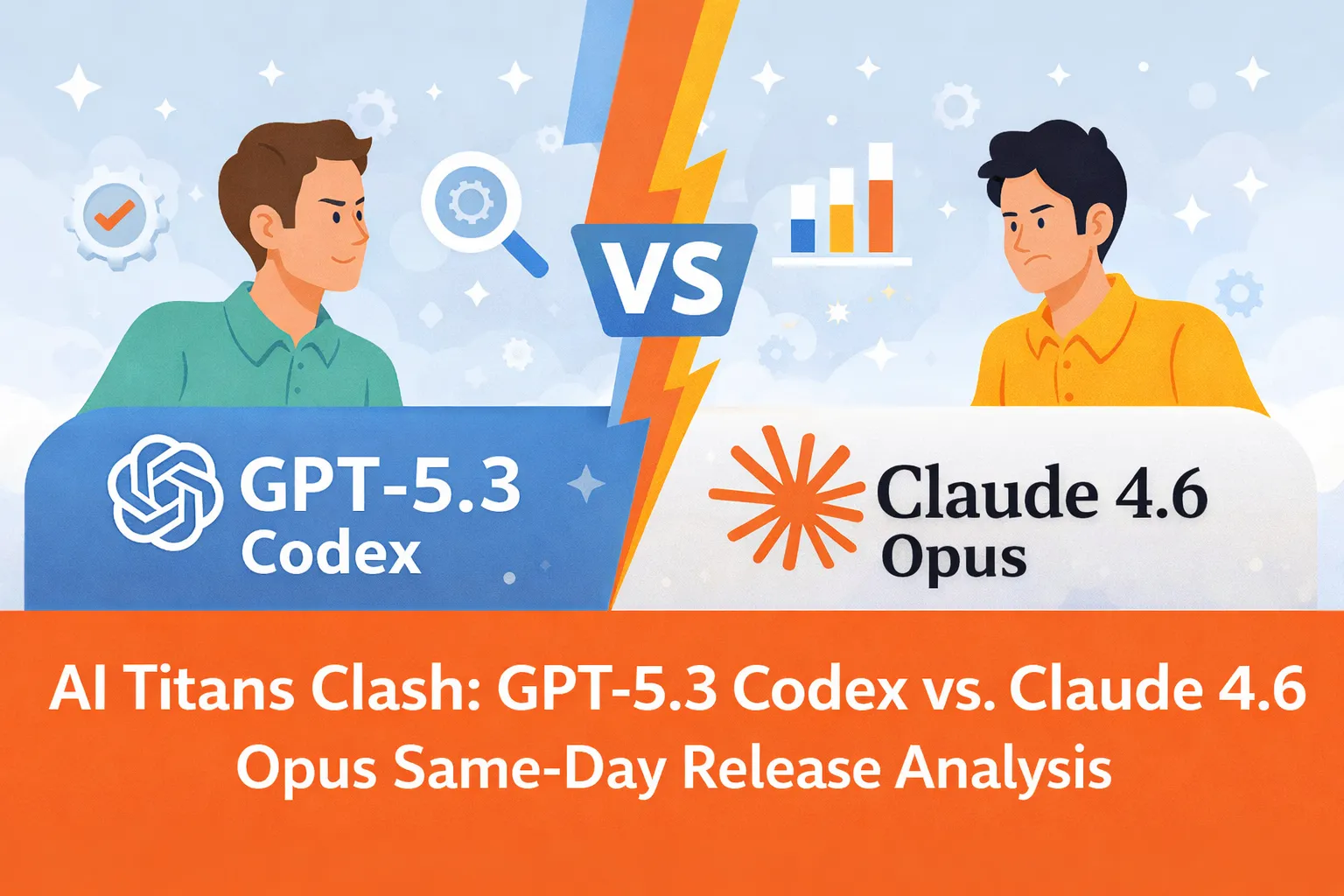
2月5日、AI業界は歴史的な「衝突」を目撃しました。AnthropicとOpenAIがそれぞれの主力モデルを発表したのです。クロード・オプス 4.6 そして GPT-5.3 コーデックス—背中合わせに。
このような注目度の高い同時リリースに直面した場合、勝者を評価するには、誇大広告にとらわれず、客観的な技術的側面に焦点を当てる必要があります。私は通常、分析を3つの層に分けます。コアとなる技術アップデート、ベンチマークから明らかになった機能、そして現実世界のシナリオにおけるデリバリーの違いです。以下では、このフレームワークを用いて、これら2つのモデルの技術的特徴と実証的なパフォーマンスを分析します。
Claude Opus 4.6のブレークスルーを分析する
私の 以前の研究 そして最新の 技術文書の進化 クロード・オプス 4.6 いくつかの革新的なアーキテクチャの更新を中心にしています。
- 適応的思考: この機能により、モデルはタスクの難易度に応じて計算リソースを動的に割り当てることができます。私のテストでは、モデルは単純なクエリにはほぼ瞬時に応答する一方で、複雑なアーキテクチャ設計の場合は「ディープリーディング」モードに入り、論理的な厳密さを確保するためにより多くの時間をかけることがわかりました。
- 100万トークンのコンテキストと圧縮 API: 100万トークンのウィンドウは巨大だが、本当のイノベーションは 圧縮API長時間の会話に特有のパフォーマンス低下に対処するため、このAPIは重要な論理ノードのみを保持することで、過去の会話をインテリジェントに圧縮します。これにより、長期プロジェクトの推論コストが大幅に削減されます。
- データ保存場所の制御: このバージョンでは、企業ユーザーはデータ推論を米国ベースのサーバーのみに制限できます。これは、金融やヘルスケアといった規制の厳しい業界の厳格なコンプライアンス要件に対応するための戦略的な動きだと考えています。
- 128K 出力長: 最大単一ターン出力が 128,000 トークンに拡張され、モデルは一貫性を失うことなく、大量のコードブロックまたは技術文書全体を一度に生成できるようになりました。
GPT-5.3-Codexのエージェント的強みを解読する
OpenAIの GPT-5.3-コーデックス 実行速度とシステムレベルのインタラクションに重点を置いています。公式仕様によると、主な特徴は次のとおりです。
- 推論効率の向上: このモデルは、前身のGPT-5.2 Codexと比較して25%高速に動作します。比較テストでは、GPT-5.3 Codexは同一のスクリプト生成タスクにおいて、大幅に高いスループットを示しました。
- ミッドターンステアリング: これにより、モデルが長時間実行されるタスクを実行している間に、ユーザーは新しい指示を出すことができます。例えば、モデルがターミナルで自動スクリプトを実行している場合、プロセスを再起動することなく、リアルタイムで介入してパスを修正できます。
- システムレベルの運用能力: 「エージェント型プログラミングモデル」として位置付けられるこのモデルは、単なるコード記述にとどまりません。OSレベルのツールの利用、デプロイメントの管理、テスト環境の自律的な監視に最適化されています。
- 自己支援開発: OpenAIは、GPT-5.3 Codexが自身の学習およびデバッグ段階で使用されていたことを明らかにしました。これは、モデルが自身のイテレーションを支援できるレベルのエンジニアリング成熟度に達していることを示しています。
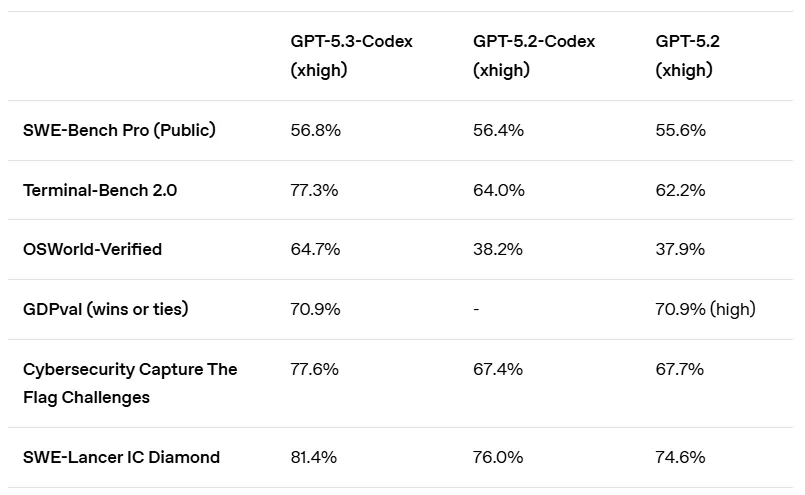
比較ベンチマーク: Claude Opus 4.6 vs. GPT-5.3-Codex
パフォーマンスを客観的に測定するために、業界標準のベンチマークをいくつか選択しました。これらの指標が何を表しているかについて、簡単に説明します。
- ターミナルベンチ 2.0: AI が複雑なコマンドを実行し、CLI (コマンド ライン インターフェイス) 内でタスクを管理する能力を評価します。
- SWEベンチプロ: GitHub での実際のバグ修正など、現実世界のソフトウェア エンジニアリングの問題を解決する AI の成功率を測定します。
- GDP値-AA: 財務分析や法的調査など、価値の高い専門知識の作業におけるモデルの熟練度を評価します。
- OSワールド: AI が GUI (グラフィカル ユーザー インターフェイス) を操作して日常のオフィス タスクを完了できるかどうかをテストします。
- 人類最後の試験: 専門家レベルの知識の限界を押し広げるために設計された、難易度の高い学際的な推論テストです。
| メトリック | クロード・オプス 4.6 | GPT-5.3 コーデックス | 誰が勝つか |
| ターミナルベンチ 2.0 | 65.40% | 77.30% | GPT-5.3 コーデックス |
| SWEベンチプロ | 非公開 | 57.00% | GPT-5.3 コーデックス |
| OSワールド | 46.20% | 64.70% | GPT-5.3 コーデックス |
| GDPval-AA(Elo) | ベースラインに対して+144 | ベースライン | クロード・オプス 4.6 |
| 人類最後の試験 | 最高得点 | 非公開 | クロード・オプス 4.6 |
| コンテキストウィンドウ | 1,000,000トークン | 約20万トークン | クロード・オプス 4.6 |
| 速度向上 | ベースライン | 0.25 | GPT-5.3 コーデックス |
現実世界のシナリオ分析: どのモデルを選択すべきか?
上記の技術的パラメータとデータに基づいて、さまざまな専門的なニーズに合わせて以下をお勧めします。
以下の場合は、Claude Opus 4.6 を選択してください。
- あなたはソフトウェア アーキテクトです: これは、数十万行のコードを含むレガシー プロジェクトをリファクタリングするための優れた選択肢です。
- ハイコンプライアンス分野で働いています: 論理的正確性と規制遵守が必須となる金融や法律の分野では、より優れたパフォーマンスを発揮します。
- 「幻覚」に対してあなたは一切寛容ではありません。 最新の「Needle In A Haystack」テストでは、ロングコンテキストリコールが 76% に達し、競合製品をはるかに上回りました。
次の場合は GPT-5.3 Codex を選択してください:
- あなたはフルスタック開発者です: 純粋な開発速度と、端末、データベース、クラウド プラットフォームとの頻繁なやり取りを必要とするタスク向けに最適化されています。
- 「人間が関与する」コーディングを好む場合: ミッドターンステアリングは、継続的な対話を通じて AI のロジックフローを調整したい開発者に最適です。
- サイバーセキュリティを専門としています。 「高度なサイバーセキュリティ機能」に分類される最初のモデルとして、脆弱性の検出と防御において決定的な優位性を持っています。
この同時リリースに関する私の結論は、両社とも焦点は異なるものの、「長時間タスク実行」と「エージェントエンジニアリング」に方向転換したということです。 クロード・オプス 4.6 超長期コンテキスト、セッション管理(コンパクション)、エンタープライズコンプライアンスに優れています。逆に、 GPT-5.3-コーデックス ソフトウェア エンジニアリング ベンチマーク、実行速度、長期的なツール利用において優位に立っています。
チームレベルの選定には、シンプルなルールを提案します。実際の社内リポジトリを使ってA/Bテストを実施しましょう。サードパーティのベンチマークだけに頼るのではなく、成功率、リビジョン数、コスト、納品までの時間を追跡しましょう。
個人ユーザーにとって、両方に加入するのは法外な費用がかかる可能性があります。このような場合は、次のようなアグリゲーターの利用をお勧めします。 アイウィーバー単一のサブスクリプションで両方のモデルにアクセスできるため、特定のタスクに最適なモデルが見つかるまで、Claude と GPT を瞬時に切り替えることができます。