
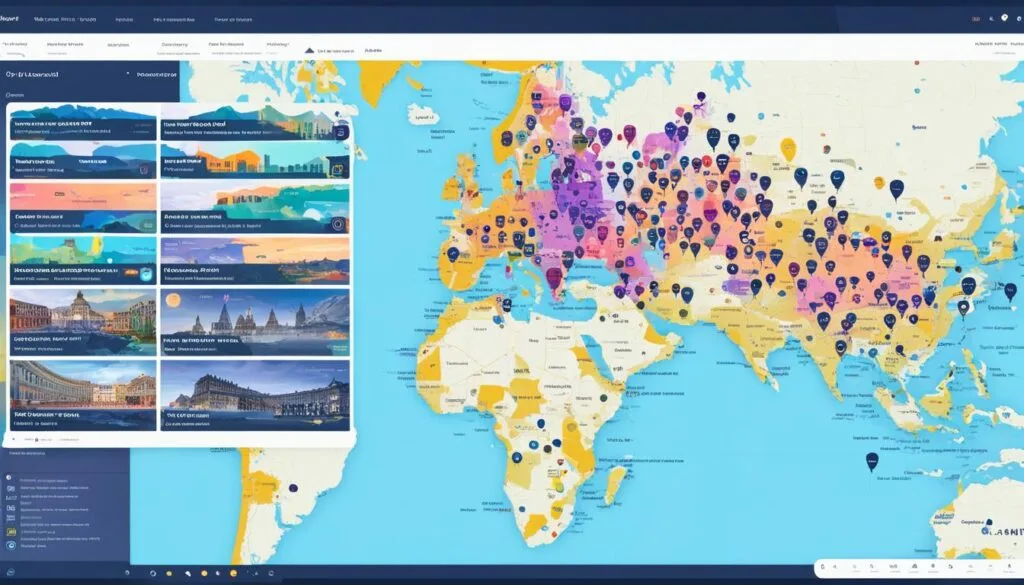

TripNote AI is an advanced travel planning tool designed to streamline the entire travel planning process. The Tripnotes AI Review shows that it utilizes artificial intelligence to offer personalized travel experiences, from generating itineraries to managing bookings, expenses, and real-time guidance during trips. TripNote AI stands out for its ability to analyze vast amounts of data to provide tailored recommendations and optimize travel plans for cost and convenience. Recently, TripNote AI was acquired by Dorsia, which has further expanded its capabilities and user base.
Update (2026): The original Tripnotes AI web platform has evolved over time. While the earlier web-based version is no longer widely available, the product now primarily exists as the Tripnote mobile app, which focuses on helping travelers organize travel ideas and manage trip notes directly from their phones.
Tripnotes AI and the Tripnote App
Tripnotes AI originally launched as a web-based travel planning assistant that generated trip ideas and itineraries using AI-powered recommendations.
Today, the product has shifted toward a mobile-first experience through the Tripnote app. Instead of focusing only on automated itinerary generation, the app emphasizes collecting travel inspiration, saving places to visit, and organizing trip notes in one place.
This shift reflects a broader trend in travel planning tools, where many users prefer planning and updating travel plans directly from their smartphones while on the move.
Key Features Tripnotes AI Review:
- Personalized Itinerary Creation:
- Functionality: Automatically generates detailed, personalized itineraries based on user preferences, interests, and past travel behavior.
- Benefit: Saves time and effort by creating a structured daily schedule.
- Destination Recommendations:
- Functionality: Suggests destinations that align with the traveler’s interests and budget by analyzing travel trends, seasonal variations, and user reviews.
- Benefit: Helps travelers discover new and affordable destinations efficiently.
- Travel Blogs and Reviews Analysis:
- Functionality: Aggregates and analyzes travel blogs, reviews, and social media posts to provide insights into popular spots and hidden gems.
- Benefit: Delivers curated and reliable travel recommendations.
- Booking and Reservations:
- Functionality: Integrates with booking platforms for flights, hotels, and activities, and predicts the best times to book for cost savings.
- Benefit: Streamlines the booking process with built-in price optimization.
- Price Alerts and Dynamic Pricing Analysis:
- Functionality: Monitors price changes and sends alerts for the best booking times using historical data to predict future price trends.
- Benefit: Helps users save money by booking at optimal times.
- Budget Planning and Expense Tracking:
- Functionality: Assists in setting budgets and tracking expenses in real-time, offering insights into spending patterns and suggesting cost-effective alternatives.
- Benefit: It prevents overspending and promotes cost-effective travel.
- Navigation and Local Guidance:
- Functionality: Provides real-time navigation and local recommendations based on real-time data and user preferences.
- Benefit: Enhances the travel experience with up-to-date local guidance.
- Language Translation and Cultural Insights:
- Functionality: Offers real-time translation for text, speech, and images, and provides cultural tips and etiquette advice.
- Benefit: Facilitates communication and cultural understanding.
- Customer Service and Problem Resolution:
- Functionality: Includes AI chatbots and virtual assistants for travel inquiries, booking changes, and 24/7 support.
- Benefit: Ensures immediate assistance for travel-related issues.
- Trip Review and Sharing:
- Functionality: Helps create summaries of trips, compiling photos, videos, and notes, and analyzes travel experiences for feedback and sharing.
- Benefit: Simplifies the process of documenting and sharing travel experiences.
While the original Tripnotes AI experience focused more heavily on automated itinerary suggestions, the current Tripnote app also emphasizes collecting and organizing travel inspiration, making it easier for users to save locations, notes, and ideas for future trips.
Current Status of TripNote AI
TripNote AI has been widely adopted by individual travelers and travel agencies alike for its comprehensive and user-friendly approach to travel planning. Its AI-driven capabilities are particularly valued for providing personalized and cost-effective travel solutions. The recent acquisition by Dorsia has further enhanced its capabilities and reach, integrating new features and expanding its user base.
Tripnotes AI Review vs. iWeaver AI Review
While TripNote AI is specifically designed for travel planning, iWeaver AI is a versatile information management tool that can be adapted for travel purposes. This comparison examines both tools across various aspects to determine their strengths and suitability for comprehensive travel planning.
- Personalized Itinerary Creation:
- TripNote AI: Creates detailed, personalized itineraries automatically, saving time and effort.
- iWeaver AI: Allows for manual compilation of itineraries by organizing information based on categories and labels. Offers greater customization and control.
- Destination Recommendations:
- TripNote AI: Analyzes large datasets to suggest destinations that match traveler interests and budget.
- iWeaver AI: Recommends destinations based on captured content and user queries, offering a broad range of information sources.
- Travel Blogs and Reviews Analysis:
- TripNote AI: Aggregates and analyzes travel blogs and reviews to provide curated recommendations.
- iWeaver AI: captures and categorizes travel blogs and reviews for detailed and personalized analysis and then create your own blogs based on what you saved.
- Booking and Reservations:
- TripNote AI: Integrates with booking platforms, predicting the best times to book.
- iWeaver AI: Organizes and stores booking confirmations but does not specialize in direct booking.
- Price Alerts and Dynamic Pricing Analysis:
- TripNote AI: Monitors price changes and sends alerts, using historical data to predict future trends.
- iWeaver AI: Stores and tracks price information but does not offer dynamic pricing analysis.
- Budget Planning and Expense Tracking:
- TripNote AI: Assists in real-time budget planning and expense tracking.
- iWeaver AI: Captures and categorizes expense information manually, useful for overall budget management; manage only if you import what you’ve spent.
- Navigation and Local Guidance:
- TripNote AI: Provides real-time navigation and local recommendations.
- iWeaver AI: No related features
- Language Translation and Cultural Insights:
- TripNote AI: Offers real-time translation and cultural tips.
- iWeaver AI: Built-in translation features based on what you input, translate or answer your questions accordingly.
- Customer Service and Problem Resolution:
- TripNote AI: Includes AI chatbots and virtual assistants for 24/7 support.
- iWeaver AI: Supports customer service through organized data management.
- Trip Review and Sharing:
- TripNote AI: Helps create trip summaries and analyzes travel experiences for feedback.
- iWeaver AI: Enables comprehensive travel documentation and sharing by organizing and recreating your content.

Alternatives to Tripnotes AI
Today, travelers often choose between two types of AI travel tools: mobile-first trip planners that help organize travel ideas, and AI assistants that help summarize travel information, blogs, and destination guides. Understanding this difference helps users decide whether they need a tool for itinerary organization or a tool that speeds up travel research and information gathering.
Although the Tripnote app remains available for mobile users, many travelers still search for alternative AI tools that help with travel research and itinerary planning.
Common types of alternatives include:
- AI itinerary generators that create structured day-by-day travel plans
- AI research assistants that summarize travel blogs and destination guides
- travel knowledge tools that help collect and organize travel information
These tools can significantly reduce the time needed to research destinations and organize travel plans across multiple websites.
Tripnotes AI introduced an innovative idea: using AI to simplify travel planning and itinerary generation. While the original web platform has transitioned into the Tripnote mobile app, the concept remains highly relevant as more travelers rely on AI tools to organize travel ideas and research destinations.
For users who prefer mobile trip planning, the Tripnote app offers a convenient way to collect and organize travel inspiration. For those who want deeper travel research and content summarization, AI knowledge tools and research assistants can complement the planning process.
FAQs
1. Is Tripnotes AI still available in 2026?
The original Tripnotes AI web platform is no longer active. However, the product continues to exist as the Tripnote mobile app.
2. What does the Tripnote app do?
Tripnote helps travelers save travel ideas, organize locations, and create trip notes for upcoming journeys.
3. Is Tripnote an AI travel planner?
Tripnotes originally focused on AI-assisted travel planning. The current Tripnote app focuses more on organizing travel inspiration and trip notes.
4. What are alternatives to Tripnotes AI?
Travelers can also use AI itinerary generators, travel research assistants, and AI note-organizing tools to help plan trips more efficiently.