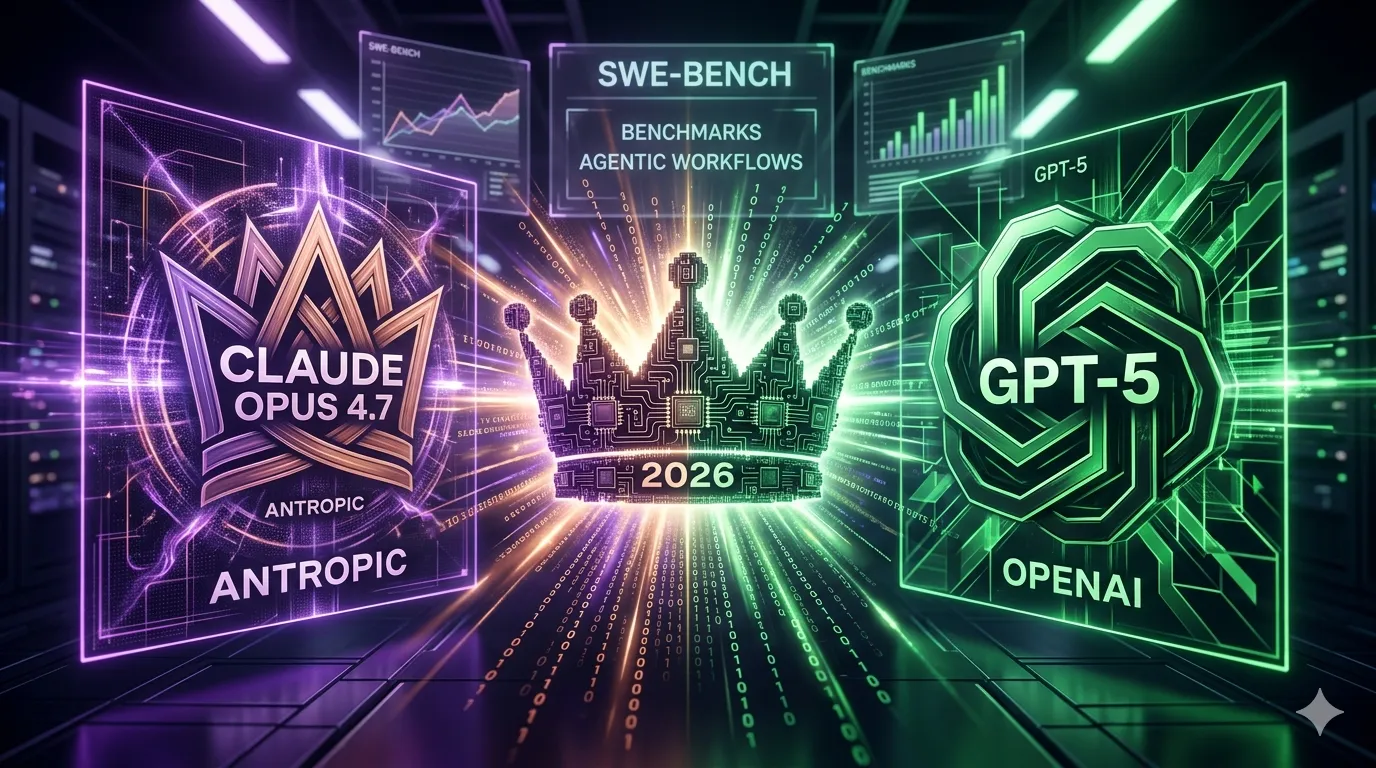
Anthropic officially released Claude Opus 4.7 on April 16, 2026, marking a major upgrade in coding, tool use, and AI safety. This new version improves software engineering performance, instruction-following, and multimodal capabilities, making it one of the most advanced AI models available today.
But how does it compare to GPT-5?
In this guide, we break down real benchmarks, new features, and practical use cases to help you choose the best AI model for your workflow.
What’s New in Claude Opus 4.7
Claude Opus 4.7 is not just a minor update — it represents a significant step forward from Opus 4.6, especially for real-world applications.
🚀 Key Improvements:
- Stronger performance in complex software engineering tasks
- Better instruction following and reasoning stability
- Improved image understanding and multimodal capabilities
- Enhanced content generation quality (docs, slides, writing)
- Built-in cybersecurity safeguards to prevent misuse
👉 Importantly, Opus 4.7 is designed as a production-ready model, unlike Anthropic’s more powerful but restricted Mythos model.
Claude Opus 4.7 vs GPT-5 — Quick Comparison
| Feature | Claude Opus 4.7 | GPT-5 |
|---|---|---|
| Best For | Coding agents & automation | Research & knowledge tasks |
| Coding Performance | ⭐ Stronger (2026 update) | Good |
| Tool Use | ⭐ Advanced orchestration | Moderate |
| Web Browsing | Limited | ⭐ Strong |
| Multimodal | Improved (image + docs) | Strong |
| Safety | Built-in safeguards | Standard |
Benchmark Comparison — Real Performance
🔹 Coding & Engineering
With the 4.7 update, Claude significantly improves its ability to handle complex, multi-step coding tasks, reducing the need for manual correction.
👉 This makes it one of the best models for:
- AI coding agents
- Debugging workflows
- Large codebase reasoning
🔹 Tool Use & Agent Workflows
Claude Opus 4.7 continues to lead in agent-style execution, where tasks involve:
- APIs
- file operations
- multi-step reasoning
👉 This is where GPT-5 still lags behind.
🔹 Research & Web Tasks
GPT-5 remains stronger in:
- real-time web browsing
- knowledge synthesis
- fast response generation
👉 If your workflow depends on external data, GPT-5 is still the better choice.
Use Cases — Which Model Should You Choose?
👉 Choose Claude Opus 4.7 if you:
- Build AI coding agents
- Run multi-step workflows
- Work with structured data or APIs
- Need reliability in long tasks
👉 With the 4.7 update, Claude is now even more optimized for production-level automation workflows.
👉 Choose GPT-5 if you:
- Do research-heavy work
- Need real-time information
- Generate content quickly
- Build knowledge assistants
Beyond benchmarks, some users care more about how freely they can explore a conversation. XPT offers AI chat with fewer unnecessary refusals.
Which AI Model Wins in 2026?
There is no single winner — but the gap is now clearer after the Opus 4.7 release.
- Coding / automation / agents → Claude Opus 4.7 (strong lead) - Research / browsing / speed → GPT-5
👉 The real trend is multi-model workflows, not single-model dependency.
Try Claude Opus 4.7 for Free (Recommended)
Want to test the latest Claude Opus 4.7 capabilities?
👉 iWeaver Chat with Claude Opus 4.7 Free
With this tool, you can:
- Instantly chat with the newest Claude Opus 4.7
- Upload documents and analyze content
- Run complex prompts and workflows
- Experience real-world coding and reasoning performance
Why iWeaver Is Better Than Using a Single Model
Instead of choosing between Claude and GPT-5, iWeaver lets you:
- Combine multiple AI models
- Build your own AI knowledge base
- Process documents, videos, and web data
- Generate structured outputs (reports, summaries, mind maps)
👉 This reflects how advanced users actually work in 2026.
How does Claude 4.7 Opus perform against GPT-5.4 benchmarks?
Data doesn’t lie, but it often hides the nuance. While GPT-5.4 edges out in synthetic Python puzzles, Claude Opus 4.7 leads on SWE-bench—the metric that actually matters for engineers fixing real GitHub issues.
[table]
Is Claude Opus 4.7 better for complex coding than previous versions?
In my time managing content pipelines, I’ve noticed a shift. 4.7 doesn’t just “write code”; it refactors with intent. It understands the “why” behind a race condition rather than just patching the “what.”
If you are building complex workflows, you need tools that don’t require constant “hand-holding.” This is where iWeaver enters the conversation. As a high-performance
AI Agent for professional insights, iWeaver handles the entire workflow—parsing documents, images, and data—without needing a 500-word prompt. It delivers structured results (PDF, Doc) while Opus 4.7 acts as the raw “brain” behind such sophisticated operations.
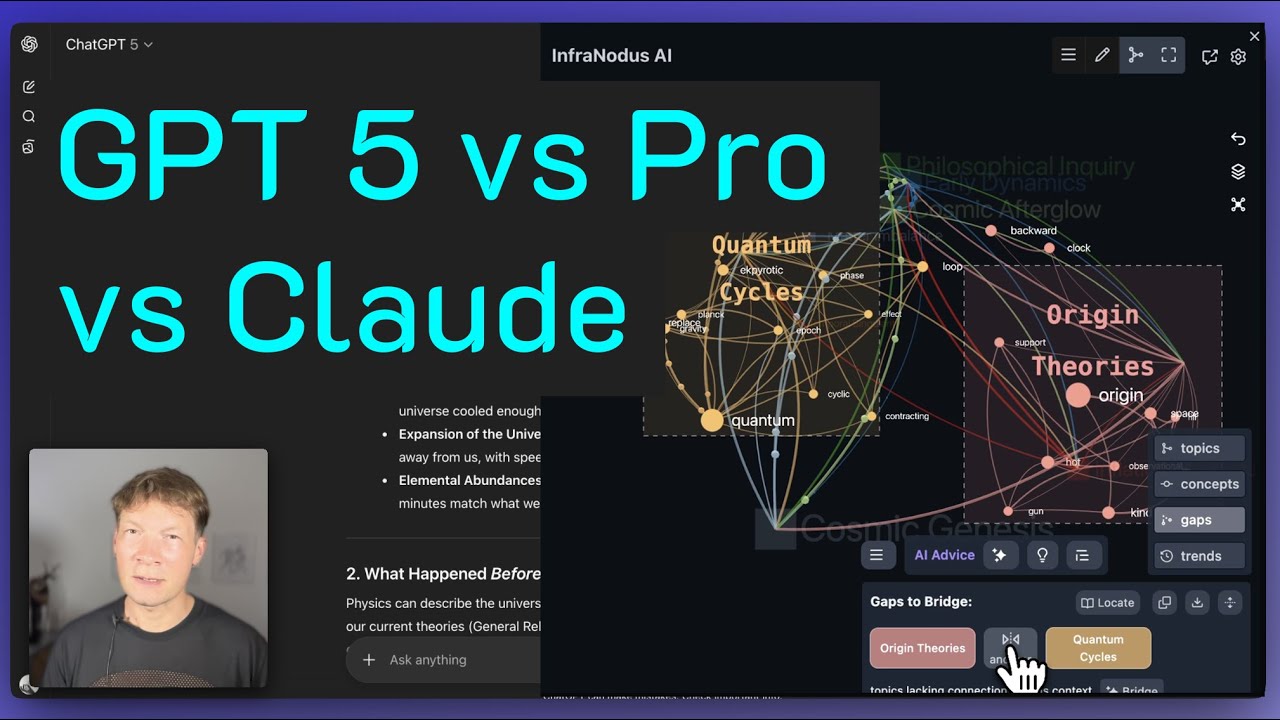
Claude 4.5 vs GPT-5: Who Codes Better in 2026?
This video provides a practical breakdown of how these frontier models handle diverse semantic topics and logic, which is essential for understanding the reasoning jumps expected in version 4.7.
The short answer: Yes, and it does so with stateful memory. The 4.7 architecture is designed for “Extended Thinking Mode.” It doesn’t just provide a snapshot; it builds a mental map of your entire codebase.
Claude Opus 4.7 isn’t for everyone. If you want a quick creative poem, stick to lighter models. But if you’re an architect building the next generation of autonomous software, the surgical precision of 4.7 is your new standard.
Common Questions about Claude 4.7
Does Claude 4.7 support the Model Context Protocol (MCP)?
Yes. It is natively optimized for MCP, allowing it to interact seamlessly with local files and third-party APIs with 30% less token overhead than version 4.5.
Is there a free version of Claude Opus 4.7?
n most cases, Claude Opus 4.7 is part of the premium “Opus” tier and typically requires a paid subscription (around $20/month). Free access is usually limited, and entry-level models like “Haiku 4.7” are more commonly offered for basic tasks instead of the full Opus experience.
However, if you want to try Claude Opus 4.7 without paying, you can use:
👉 iWeaver Chat with Claude Opus 4.7 Free
With iWeaver, you can:
- Access Claude Opus 4.7 directly for free
- Test real-world use cases like document analysis and complex prompts
- Experience its full capabilities without setup or subscription
This is one of the easiest ways to explore what Claude Opus 4.7 can actually do before deciding whether to upgrade.
How does the “Extended Thinking” mode work in 4.7?
It allows the model to “loop” internally through reasoning chains before outputting text. This significantly reduces logical fallacies in complex math and legal analysis.
Is Claude Opus 4.7 better than GPT-5?
Yes for coding, automation, and agent workflows — especially after the April 2026 update.
What changed in Claude Opus 4.7?
It introduced better coding performance, improved multimodal abilities, and stronger safety mechanisms.
Which AI model is best for coding in 2026?
Claude Opus 4.7 is currently one of the top models for coding and agent-based workflows.
Should I switch from GPT-5 to Claude?
Should I switch from GPT-5 to Claude?
It depends on your primary use case. If your work focuses on coding, automation, or structured multi-step workflows, Claude (especially Opus 4.7) can be a better fit due to its stronger performance in agent-style tasks. However, GPT-5 remains a strong choice for research, content generation, and real-time information processing.
Instead of switching completely, a more effective approach is to use both models based on your needs. You can do this with iWeaver:
- Access both GPT and Claude models in one place
- Automatically use the best model based on your task
- Avoid manual switching between tools
- Get more reliable results across different workflows
This way, you’re not limited to a single model—you’re using the right model for the right job.