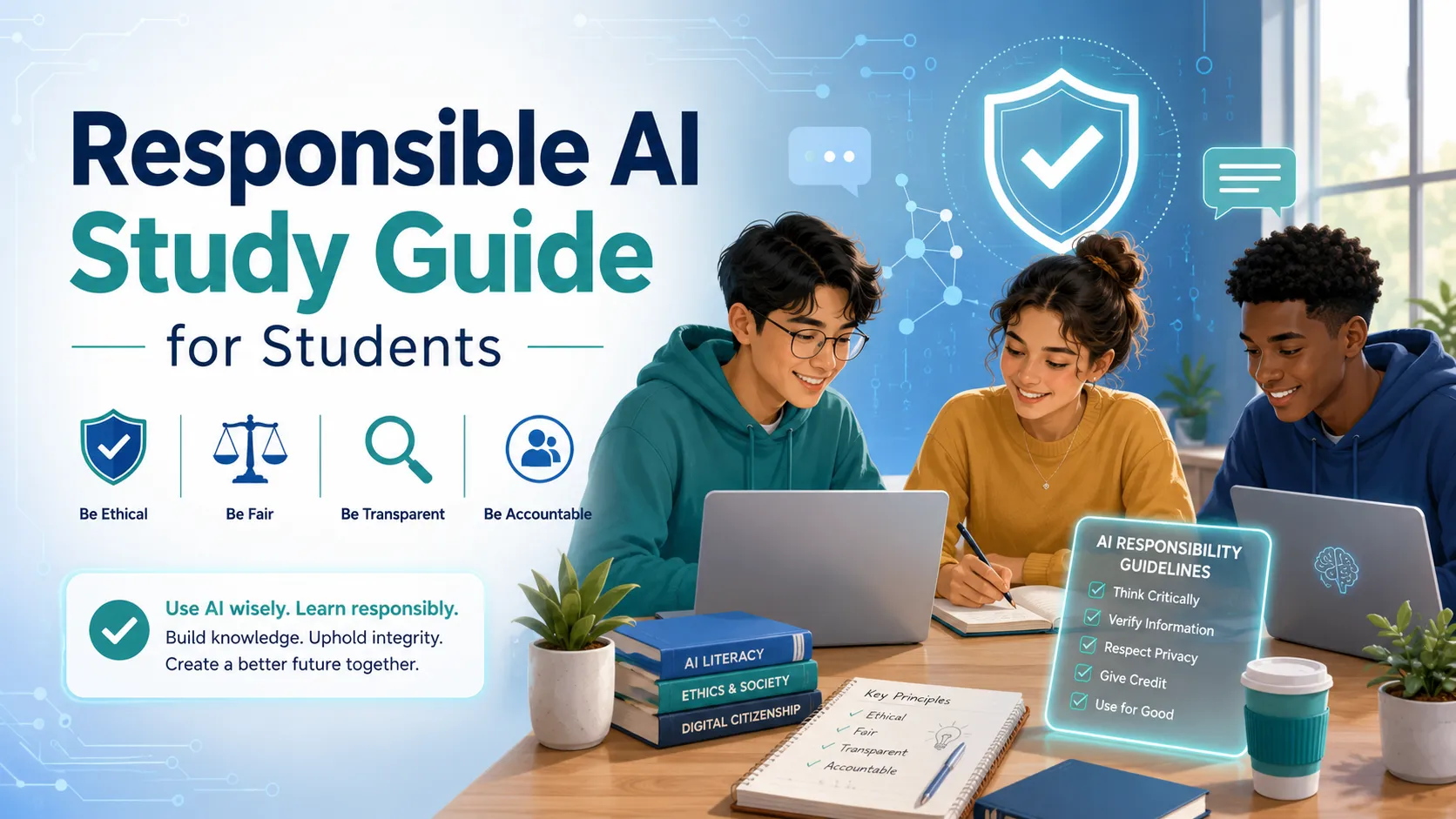
Responsible AI study means using a tool in a way that supports learning, follows academic rules, protects people and information, and makes uncertainty visible. It is broader than avoiding cheating. A use can be permitted and still be careless if it exposes private data, repeats bias, or spreads an invented citation.
Use the CHECK framework before, during, and after an AI-assisted study session.
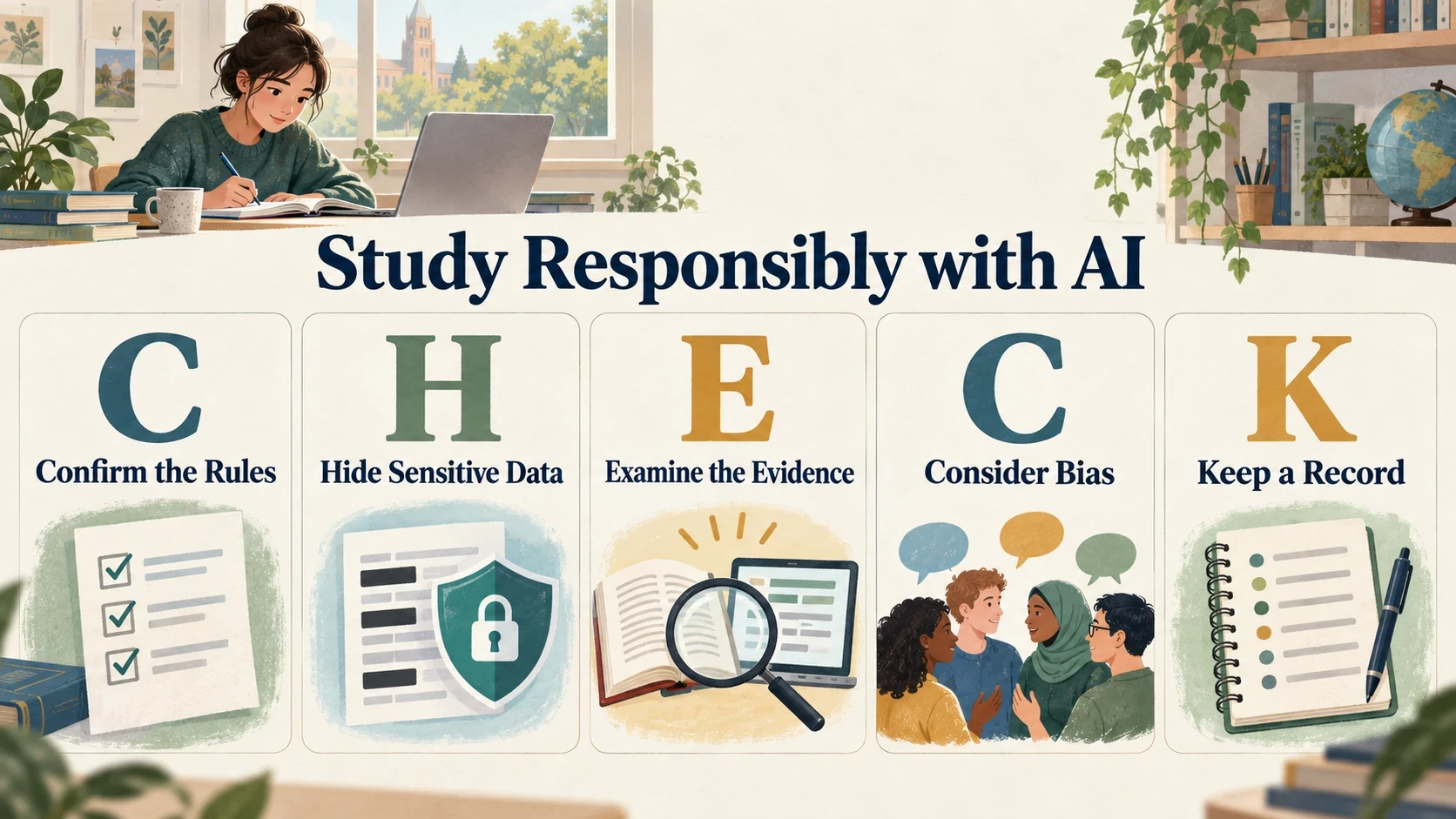
C — Confirm the rules and purpose
Start with the assignment and institution policy. Identify whether AI is allowed, restricted, prohibited, or allowed with disclosure. Then name the purpose of using it.
Good purposes include practicing retrieval, receiving an explanation, building a revision plan, generating a comparable example, or getting feedback. “Finish faster” is not enough if the tool performs the skill being assessed.
Write one sentence:
I will use AI to __, while I remain responsible for __.
Example: “I will use AI to quiz me on lecture notes, while I remain responsible for checking the explanations and writing the exam answers.”
H — Hide private and sensitive information
Share only what the task requires. Remove names, student numbers, contact details, health information, private conversations, client data, unpublished research, passwords, and confidential assessment content unless an authorized system and policy explicitly permit them.
Check the service’s current data controls and your school’s approved-tool list. Do not assume a generic privacy claim covers your specific account, files, or jurisdiction.
If a task can be completed with an invented example or anonymized excerpt, use that instead.
E — Examine the output and evidence
AI can be fluent and wrong. Treat every generated answer as a draft that may contain factual errors, omitted context, fabricated citations, or reasoning gaps.
For important claims:
- Locate the original source.
- Confirm the author, date, and context.
- Check whether the source supports the exact claim.
- Compare with course material or another authoritative source.
- Cite the source you read, not the AI response.
For calculations, reproduce the steps. For code, run tests and explain the logic. For summaries, compare the result with the original text.
C — Consider bias, people, and impact
Generated outputs can reproduce stereotypes or exclude perspectives. Ask:
- Whose viewpoint is treated as normal?
- Who is missing or described unfairly?
- Does the answer confuse correlation with causation?
- Are examples based on assumptions about culture, gender, disability, income, or language?
- Could this output harm or misrepresent a real person?
Bias review is not solved by asking AI whether it is biased. Compare perspectives, inspect the evidence, and revise your own framing.
K — Keep authorship and a record
Keep prompts, relevant outputs, drafts, sources, and notes when policy requires them. Record what the tool contributed and what you changed.
Your final work should reflect your understanding. You should be able to explain the argument, method, evidence, calculations, and wording you submit. If you cannot, return to the learning task.
Use the disclosure or citation style your instructor provides. A transparent statement should not exaggerate or minimize the tool’s role.
A responsible AI study workflow
Before the session
- Read the instructions and policy.
- Define the learning goal.
- Choose authorized material and remove sensitive data.
- Decide what AI must not do.
During the session
- Give context and source boundaries.
- Ask for questions, hints, explanations, or practice.
- Mark claims that need verification.
- Stop if the output begins completing prohibited work.
After the session
- Verify important facts and citations.
- Test yourself without the tool.
- Rewrite from understanding rather than copying.
- Save the required record and disclose use.
Responsible prompts for common study tasks
Explanation
Use only the excerpt below. Ask what I already understand, then explain one gap at a time. Separate statements found in the source from your own examples.
Practice
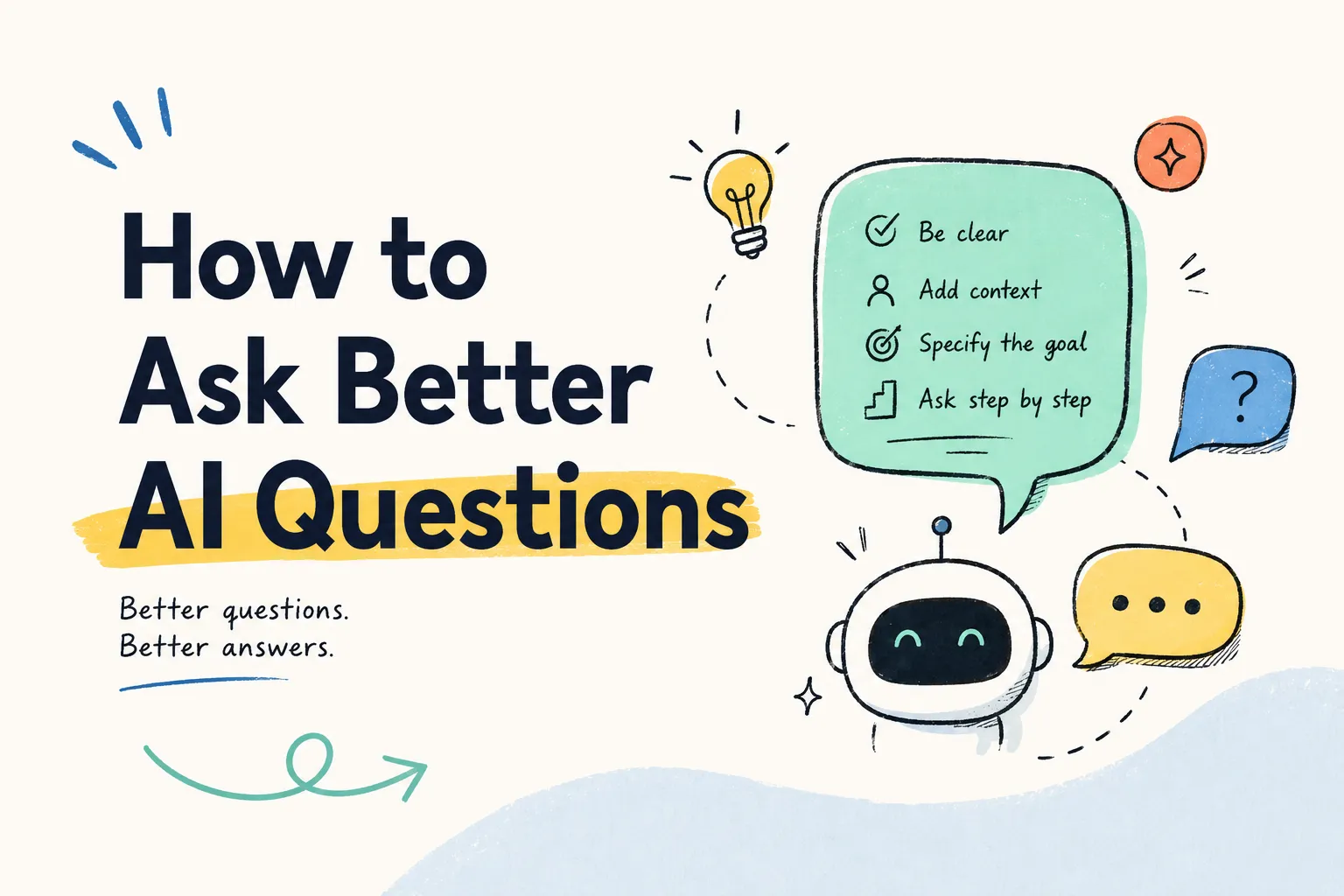
Create five questions that test application, not memorization. Ask them one at a time, wait for my response, and give a hint before the answer.
Draft feedback
Identify unclear reasoning and unsupported claims in my draft. Do not rewrite any sentences. Point me to the paragraph that needs work and ask a revision question.
Source check
Extract the factual claims from this paragraph into a table. For each, state what kind of source would verify it. Do not invent references.
When to stop using AI
Stop when the rules prohibit it, when the tool is doing the assessed thinking, when you would be uncomfortable disclosing the use, or when sensitive information cannot be removed.
Also stop if repeated interaction makes you less certain about the source of your ideas. Work offline, return to the original material, and write a brief explanation from memory.
Using iWeaver responsibly
iWeaver’s AI Study Agent can work with study materials to create explanations, plans, outlines, and practice activities. Its output still requires review. Upload only material you are authorized to use, define the learning goal, and ask the agent to distinguish source-based points from generated examples.
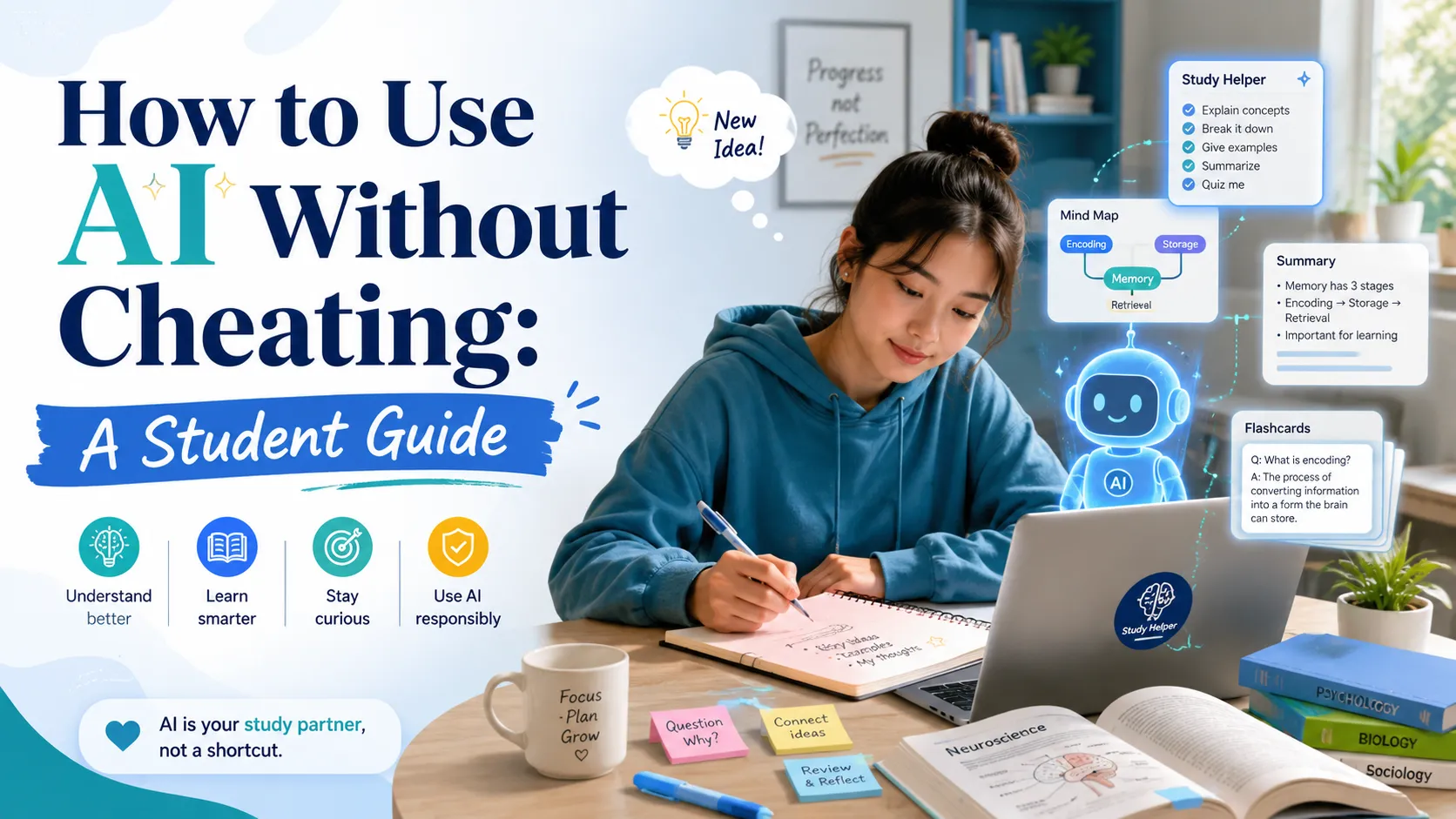
If your immediate question is whether a particular use crosses an academic-integrity line, read how to use AI without cheating. For stronger instructions, use the prompting guide for students.
Final responsibility checklist
Before submitting work, confirm:
- AI use complied with the exact assignment policy.
- No unnecessary personal or confidential data was shared.
- Important claims were checked in sources you opened.
- Citations are real and support the wording.
- Stereotypes and missing perspectives were reviewed.
- You can explain the final work independently.
- AI assistance is disclosed in the required format.
Responsible AI use is not a single disclaimer added at the end. It is a chain of choices: what you share, what you ask, what you verify, what you learn, and what you claim as your own.