In the age of information overload, remembering what you learn has become more challenging than ever. From academic research and online courses to workplace knowledge and personal learning, people consume more information daily than they can realistically retain.
AI-powered memory tools are changing this. By combining cognitive science with machine learning, these tools help users capture, organize, and review knowledge in smarter ways.
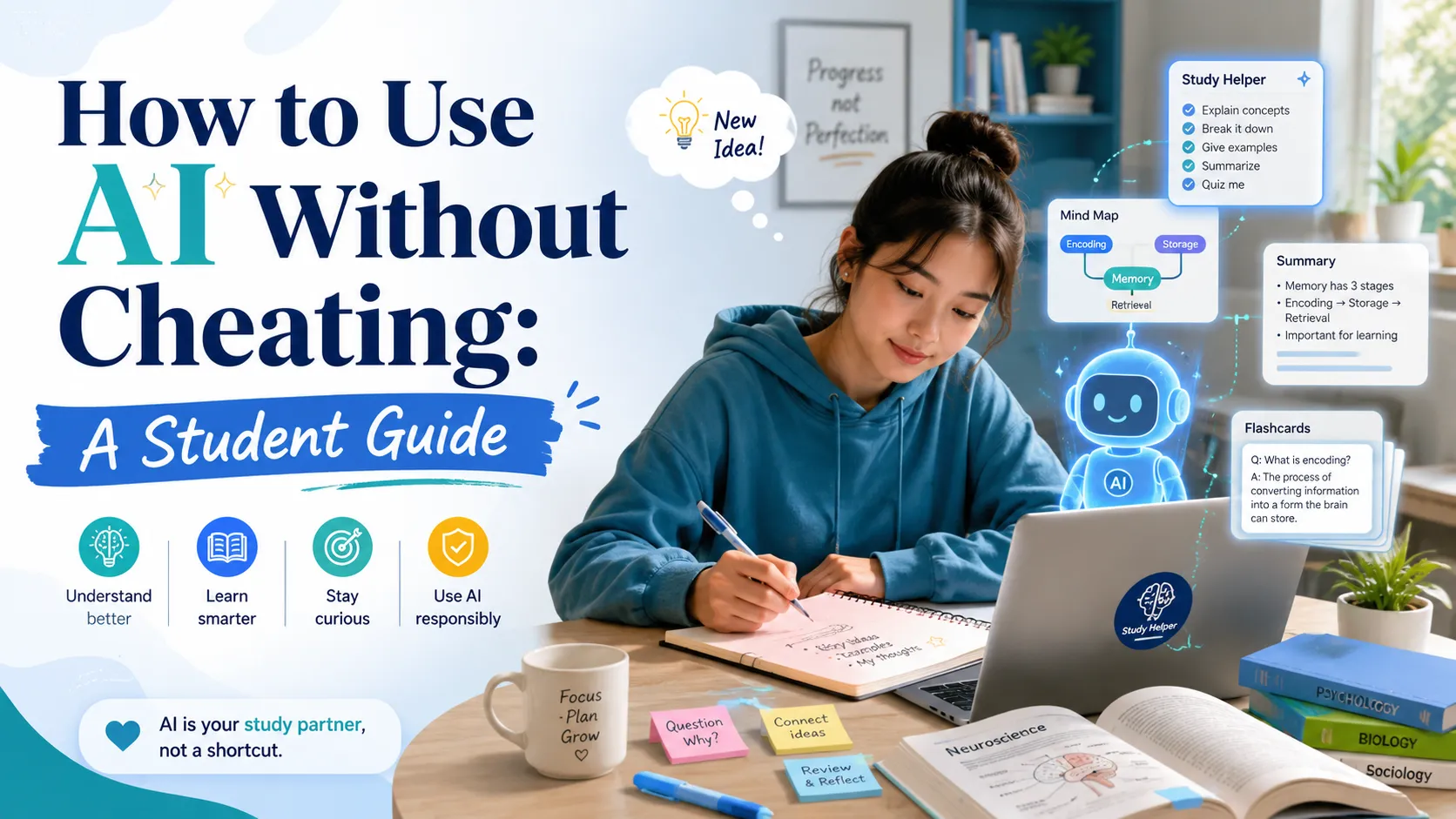
Instead of simply storing notes, AI systems can summarize information, generate quizzes, create mind maps, and schedule reviews at the optimal moment for memory retention.
Whether you are a student, researcher, or professional, AI memory tools can significantly improve how you learn and remember information.
In this guide, we explore the best AI memory enhancement tools that can help you retain knowledge faster and build a powerful personal learning system.
How AI Helps Improve Memory and Knowledge Retention
Artificial intelligence is transforming how people learn, remember, and organize information. Instead of relying only on traditional study methods, modern AI tools help users process knowledge more efficiently and retain it longer.
Many AI-powered learning tools combine several scientifically proven memory techniques, including:
- Spaced repetition – reviewing information right before you forget it
- Active recall – testing yourself instead of passive reading
- AI summarization – turning complex content into concise insights
- Knowledge mapping – connecting ideas visually to strengthen understanding
Research on memory science shows that techniques like spaced repetition dramatically improve long-term retention compared to simple rereading. AI tools automate these strategies, allowing learners to focus on understanding instead of managing study schedules. :contentReference[oaicite:0]{index=0}
Today, students, researchers, and professionals increasingly use AI tools to build personal knowledge systems that help them remember information faster and apply it more effectively.
10 Best AI Tools for Memory Enhancement
1. ChatGPT
ChatGPT has become one of the most versatile AI assistants for learning and memory improvement. Although it was not designed specifically as a memory tool, its ability to explain concepts, generate quizzes, and summarize information makes it extremely useful for studying.
Users can ask ChatGPT to convert notes into flashcards, generate practice questions, or explain difficult topics in simpler terms.
Key Features
- AI summaries for complex topics
- Quiz and flashcard generation
- Interactive explanations
- Personalized learning assistance
Best For
Students and professionals who want an AI tutor that helps reinforce knowledge through active interaction.

Features for Learning and Memory Recall
While not specifically designed for memory enhancement, ChatGPT’s question-answering capabilities can be used to create personalized flashcards or quizzes based on study materials.
- Interactive Learning: ChatGPT can provide explanations, summaries, and detailed responses to queries, making it an excellent tool for learning and retaining information.
- Personalized Assistance: By engaging in conversations, users can reinforce their knowledge and clarify doubts, aiding memory retention.
- Task Automation: ChatGPT can help set reminders, create lists, and organize tasks, reducing cognitive load and freeing up mental space for important information.
Pros: Powerful large language model, can generate different creative text formats, free tier available.
Cons: Not specifically designed for memory techniques, may require creative prompting to get the desired output, accuracy needs user verification.
Use Case in Memory Enhancement
Students and professionals can use ChatGPT to review study material, prepare for exams, or stay updated with industry knowledge. Its ability to simulate human-like conversations makes learning interactive and engaging.
Why ChatGPT Works for Memory Training
Modern AI assistants like ChatGPT can help reinforce memory through interactive learning. Instead of passively reviewing notes, users can ask questions, generate quizzes, or simulate explanations.
For example, learners can:
- Turn long articles into short summaries
- Generate flashcards from study materials
- Ask AI to test their knowledge with practice questions
- Break complex topics into simple explanations
This active interaction encourages deeper understanding, which significantly improves memory retention compared to passive study methods.
2. Mem
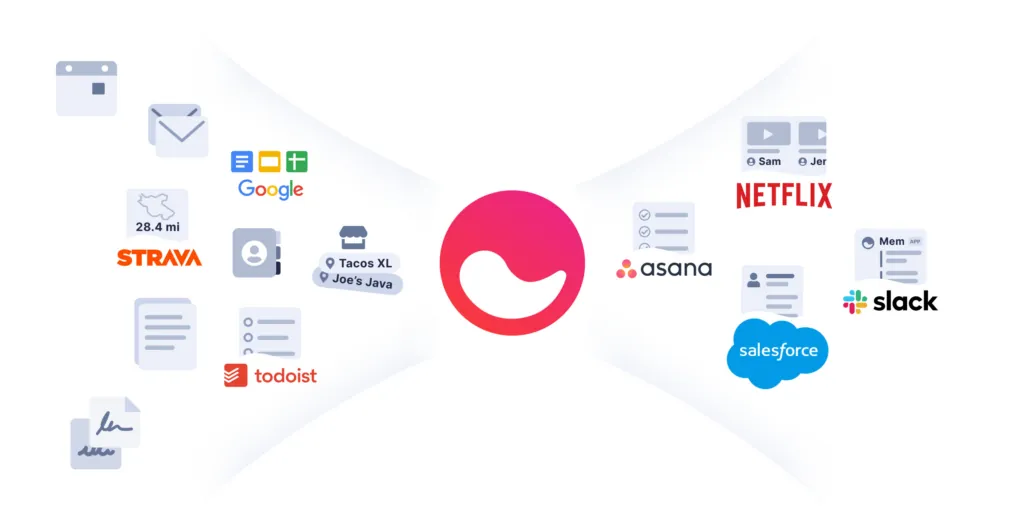
Mem AI is a modern AI-powered note-taking platform designed to help users capture and remember information automatically.
Unlike traditional note apps, Mem organizes knowledge using AI connections instead of manual folders. This makes it easier to rediscover ideas and review previously learned information.
Key Features
- AI-powered knowledge organization
- automatic note linking
- intelligent search
- contextual knowledge recall
Best For
Professionals and knowledge workers who manage large volumes of information.
Key Features As An Memory Partner
Mem’s standout is its interactive learning method. It boosts your mind step-by-step, leading to lasting memory. The practice is smooth and fits any learning style.
- Automatic Organization: Mem uses AI to automatically organize and tag your notes, making it easy to find and recall information.
- Contextual Reminders: The app provides contextual reminders, ensuring that important information resurfaces when needed.
- Collaboration: Mem supports collaboration, allowing you to share and discuss notes with others, enhancing collective memory.
Pros: Science-backed approach, spaced repetition for long-term memory, user-friendly interface.
Cons: May require a subscription for full features, limited content creation capabilities compared to others.
Use Case in Memory Enhancement
Mem is ideal for individuals who take extensive notes and need a reliable system to retrieve information quickly. It’s particularly useful for researchers, writers, and anyone who manages large volumes of data.
3. Anki
Anki is one of the most powerful spaced repetition tools available. It uses a scientifically proven memory technique that schedules review sessions at optimal intervals.
Although Anki is not fully AI-powered, many modern plugins add AI features such as automatic flashcard generation and smarter learning recommendations.
Key Features
- spaced repetition algorithm
- customizable flashcards
- AI plugin support
- long-term memory training
Best For
Students studying languages, medicine, or exam-heavy subjects.
4. Quizlet AI
Quizlet is one of the most popular study platforms worldwide, and its latest AI features have significantly enhanced its learning capabilities.
With AI-powered study modes, Quizlet can automatically convert notes into flashcards, quizzes, and practice tests.
Key Features
- AI-generated flashcards
- adaptive learning modes
- practice tests and quizzes
- massive shared study library
Best For
Students preparing for exams or structured coursework.
5. Notion AI
Notion AI helps users organize knowledge while automatically summarizing and structuring information.
Students and professionals often use Notion AI to store research, summarize notes, and create study materials in one workspace.
Key Features
- AI summaries
- document organization
- collaborative knowledge management
- study note generation
Best For
People building a personal knowledge base.
6. RemNote
RemNote is a knowledge management tool specifically designed for learning and memory retention.

It combines note-taking, flashcards, and spaced repetition in a single platform.

Key Features

• integrated spaced repetition
• knowledge graph
• flashcard automation
• learning-focused note structure

Best For

Students and lifelong learners who want a structured learning system.
7. Obsidian with AI Plugins
Obsidian is a powerful knowledge management tool that allows users to connect ideas through a network of linked notes.

With AI plugins, users can summarize content, generate ideas, and automate note organization.

Key Features

• knowledge graph visualization
• AI writing and summarization plugins
• deep linking between ideas
• offline-first knowledge storage

Best For

Researchers and knowledge workers.
8. Recall AI
Recall AI focuses on helping users remember digital content such as articles, videos, and documents.

It automatically summarizes and organizes information so users can review it later.

Key Features

• AI content summaries
• knowledge organization
• spaced review reminders
• digital knowledge management

Best For

People who consume large amounts of online information.
9. Mindgrasp AI
Mindgrasp AI helps users quickly understand and remember complex material such as textbooks, lectures, and videos.

It can generate summaries, quizzes, and explanations from uploaded documents.

Key Features

• AI study guides
• quiz generation
• lecture summaries
• document understanding

Best For

Students learning from large study materials.
10. iWeaver
While many AI memory tools focus only on flashcards or quizzes, iWeaver helps users build a complete knowledge system.

The platform can summarize documents, generate mind maps, and organize information into an AI knowledge base.

Instead of manually reviewing notes, users can quickly rediscover insights across multiple documents and sources.

Key Features

• AI document summaries
• automatic mind map generation
• knowledge base search
• cross-document insights

Best For

Researchers, professionals, and lifelong learners who want to retain knowledge without spending hours organizing notes.
How to Choose the Right AI Memory Tool
The best AI memory tool depends on how you learn and the type of information you manage.
For example:
Flashcard tools are ideal for memorization-heavy subjects such as languages and medical studies.
Knowledge management tools work better for research, reading, and complex topics.
AI assistants are useful for interactive learning and explanations.
Choosing the right combination of tools can dramatically improve both learning speed and long-term retention.
FAQ: AI Tools for Memory Enhancement
1.Can AI actually improve memory?
AI tools cannot directly improve brain capacity, but they help users apply scientifically proven learning methods such as spaced repetition, active recall, and knowledge organization.
2. What is the best AI tool for remembering information?
The best tool depends on your needs. Flashcard-based apps are useful for memorization, while knowledge management tools help retain complex information.
3. Are AI memory tools good for students?
Yes. Many students use AI tools to summarize lectures, generate flashcards, and review materials efficiently before exams.
4. How does spaced repetition work?
Spaced repetition schedules review sessions just before information is likely to be forgotten. This approach significantly improves long-term retention compared to repeated rereading.